- Home
- About Us
- Products
- Automatic Visual Inspection Machine
- Metal Hardware Inspection Line
- Automobile Parts Defect Detection System
- Automatic Visual Counting and Packaging Machines
- Medical Drugs and Consumables Optical Sorting Machine
- Rubber and Plastic CCD Automatic Visual Inspection Equipment
- HVAC and Refrigeration Parts Automatic Vision Inspection Equipment
- News
- Download
- Send Inquiry
- Contact Us

How Can Metal Hardware Inspection Line Improve Quality Control?
Abstract
A Metal Hardware Inspection Line is a critical automated solution designed to ensure the quality, precision, and reliability of metal components used across industries such as automotive, aerospace, construction, and industrial manufacturing. This article explains how modern inspection lines work, what problems they solve, and why they are essential for reducing defects, improving efficiency, and ensuring consistent product standards. It also explores key technologies, system structures, implementation considerations, and real-world benefits for manufacturers seeking scalable quality control systems.
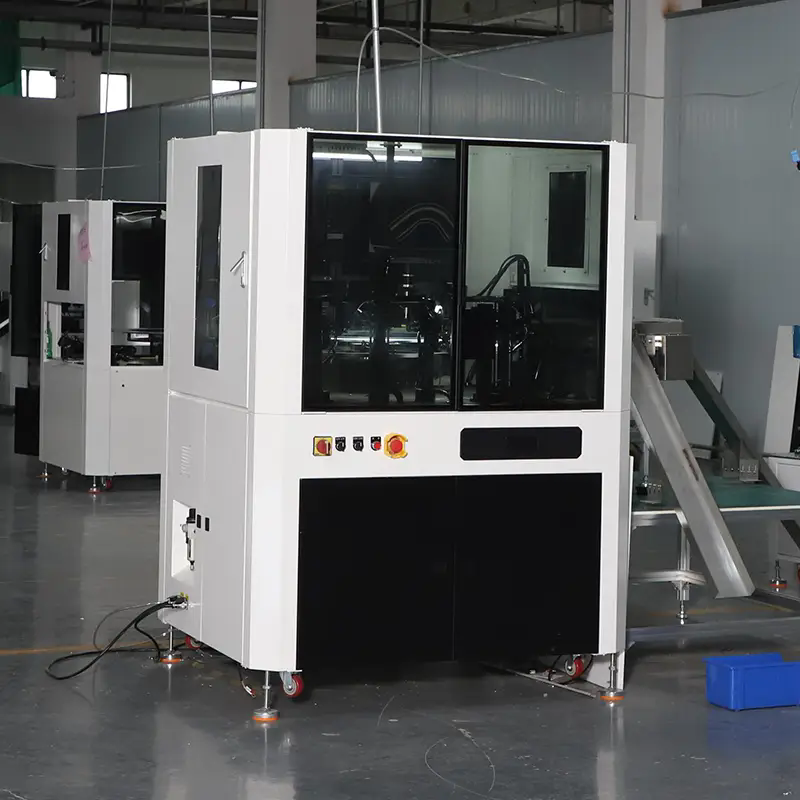
Table of Contents
- Outline
- Introduction
- Industry Pain Points
- What is a Metal Hardware Inspection Line?
- Core System Components
- Operational Workflow
- Inspection Technologies
- Manual vs Automated Inspection
- Key Benefits
- Implementation Considerations
- Maintenance and Optimization
- Industrial Applications
- ROI and Business Impact
- FAQ
- Conclusion
Outline
This article provides a structured breakdown of Metal Hardware Inspection Line systems, focusing on quality assurance challenges, automation solutions, inspection technologies, and operational best practices. It also evaluates cost-effectiveness, scalability, and integration strategies for manufacturers.
Introduction
In modern manufacturing, maintaining consistent quality in metal hardware production is increasingly complex. Components must meet strict dimensional tolerances, surface finish standards, and structural integrity requirements. A Metal Hardware Inspection Line solves these challenges by integrating automated detection, measurement, and sorting systems into a continuous production flow.
Companies such as LANCE INDUSTRIAL specialize in delivering advanced inspection solutions that help manufacturers reduce human error, improve throughput, and ensure compliance with global standards.
Industry Pain Points
Manufacturers of metal hardware often face several recurring challenges:
- Inconsistent product quality due to manual inspection variability
- High labor costs and workforce dependency
- Slow inspection cycles limiting production capacity
- Difficulty detecting micro-defects in complex components
- Increased risk of defective products reaching customers
These issues directly impact brand reputation, production efficiency, and operational profitability.
What is a Metal Hardware Inspection Line?
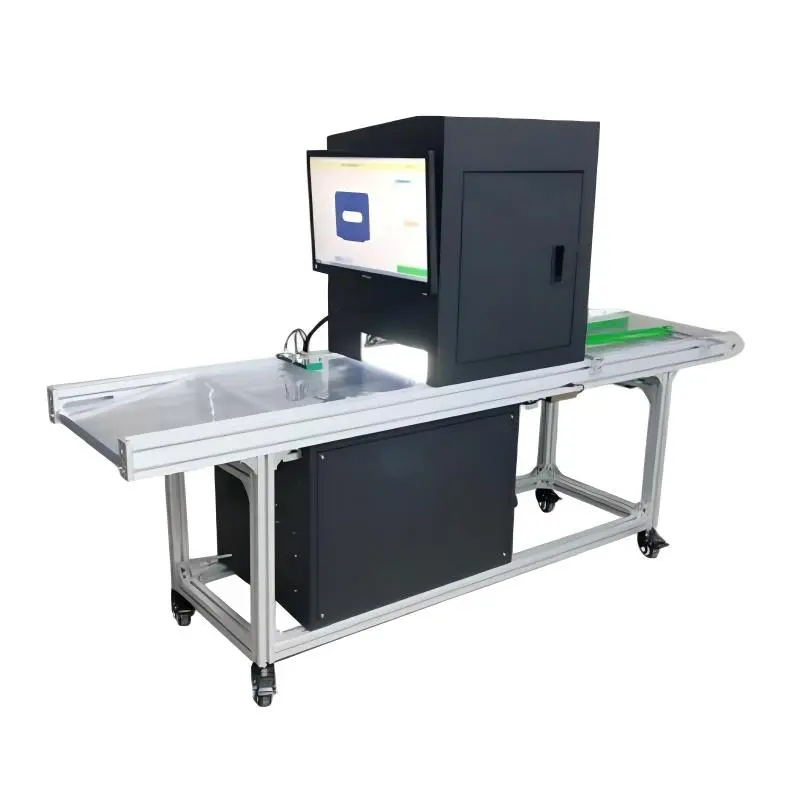
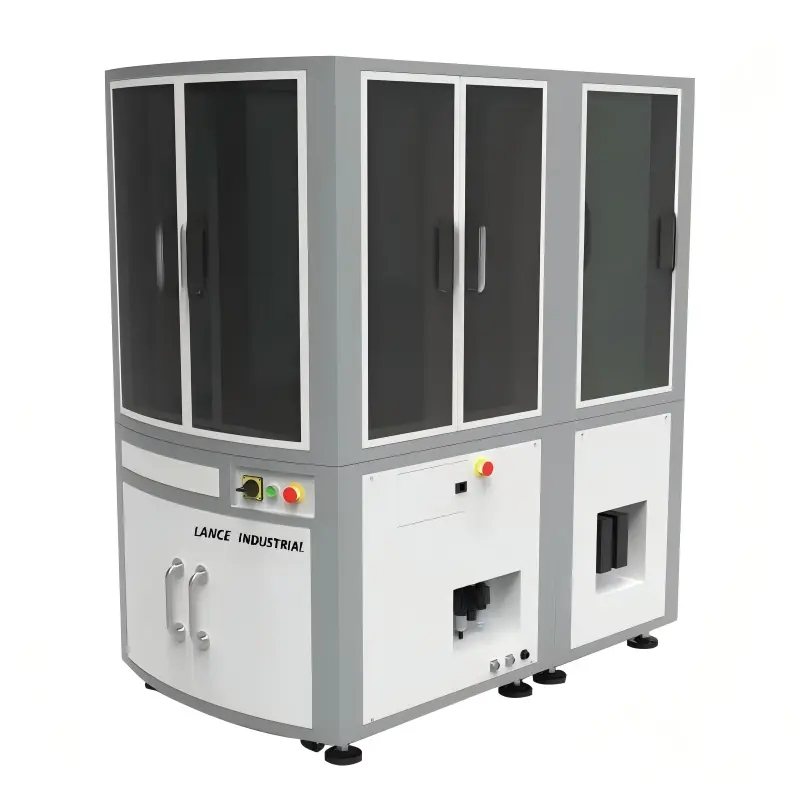
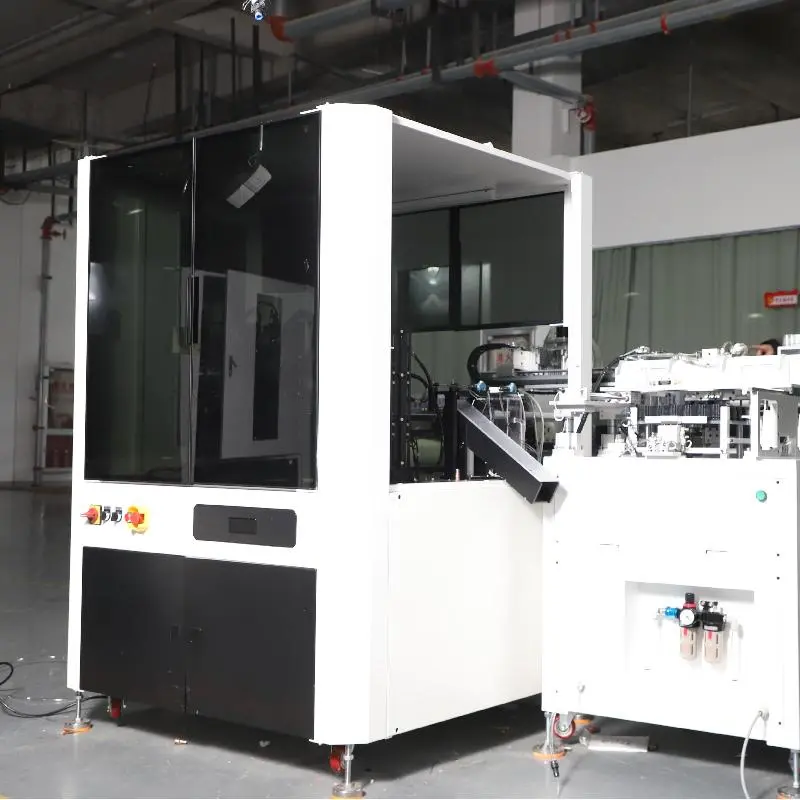
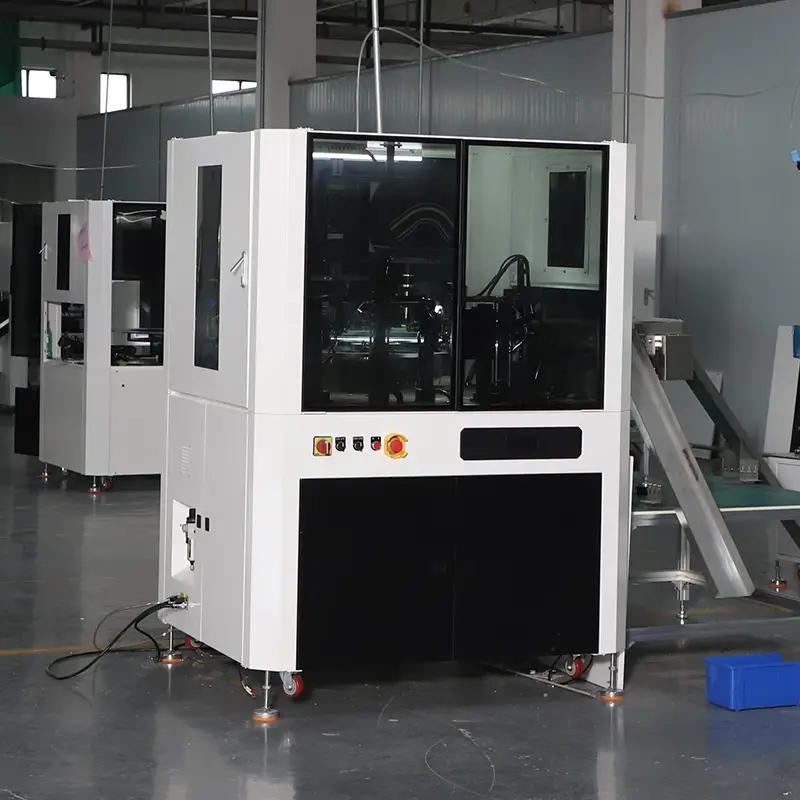
A Metal Hardware Inspection Line is an integrated automated system designed to inspect metal parts for dimensional accuracy, surface defects, structural integrity, and compliance with manufacturing specifications. It typically operates as part of a continuous production line, ensuring every piece is evaluated before packaging or assembly.
The system combines mechanical conveyors, machine vision systems, sensors, and data processing units to achieve high-speed, high-precision inspection.
Core System Components
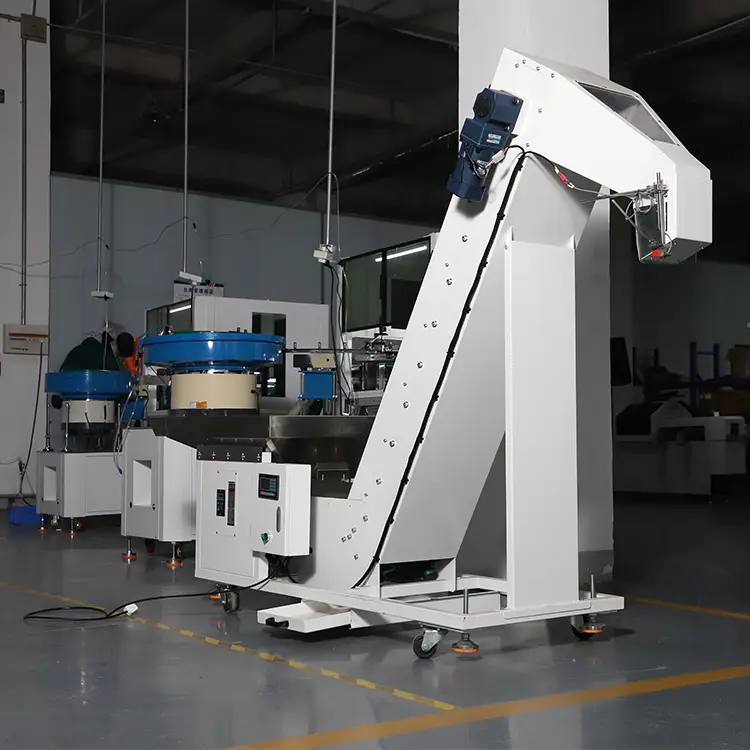
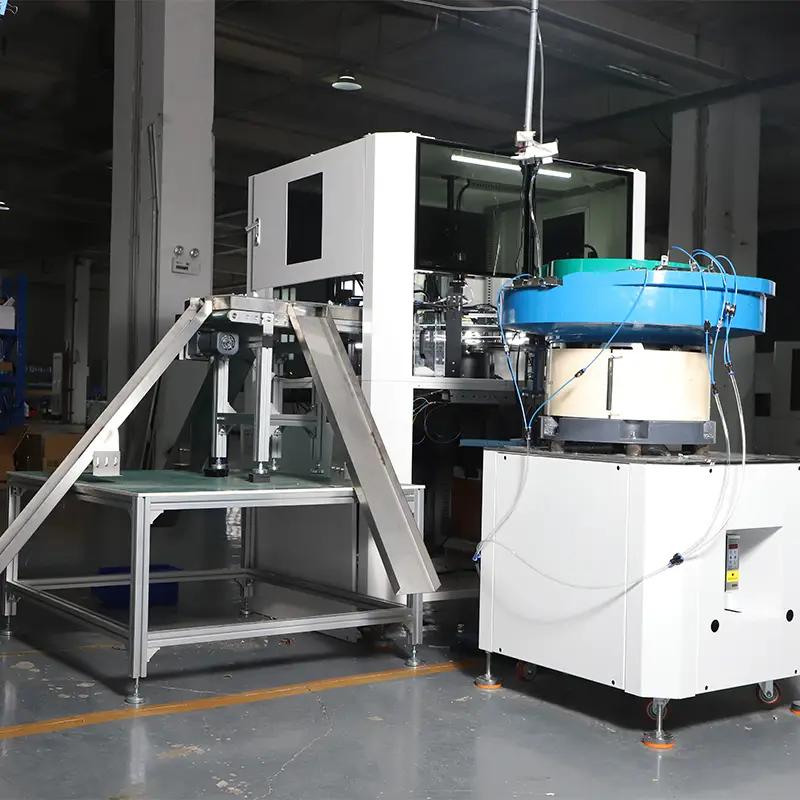
- Feeding System: Automatically delivers metal hardware into the inspection line
- Conveyor Mechanism: Moves parts consistently through inspection zones
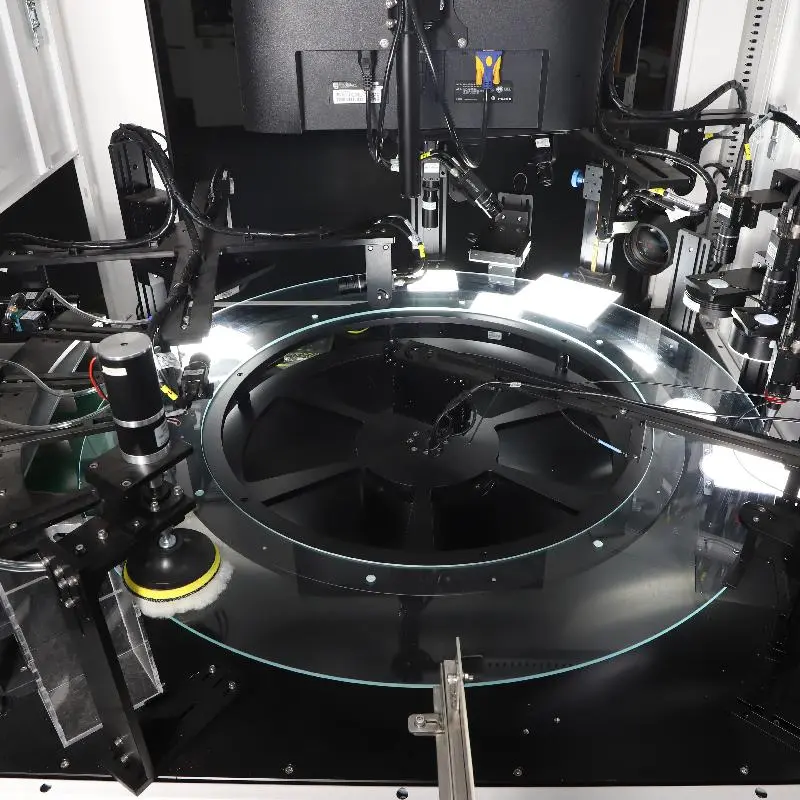
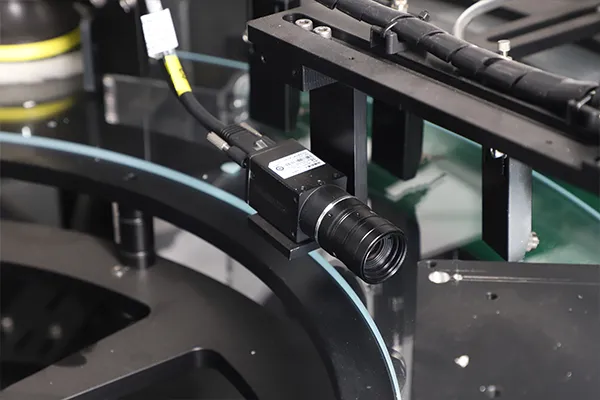
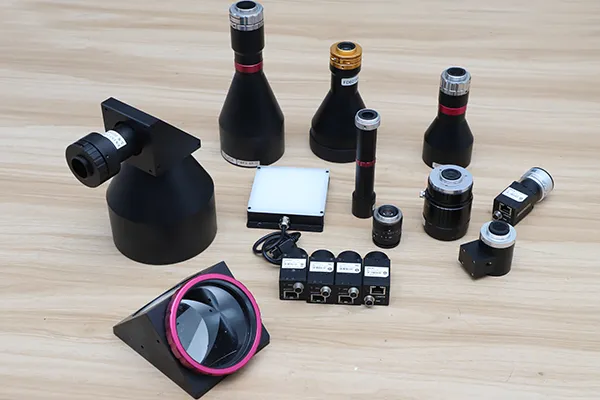
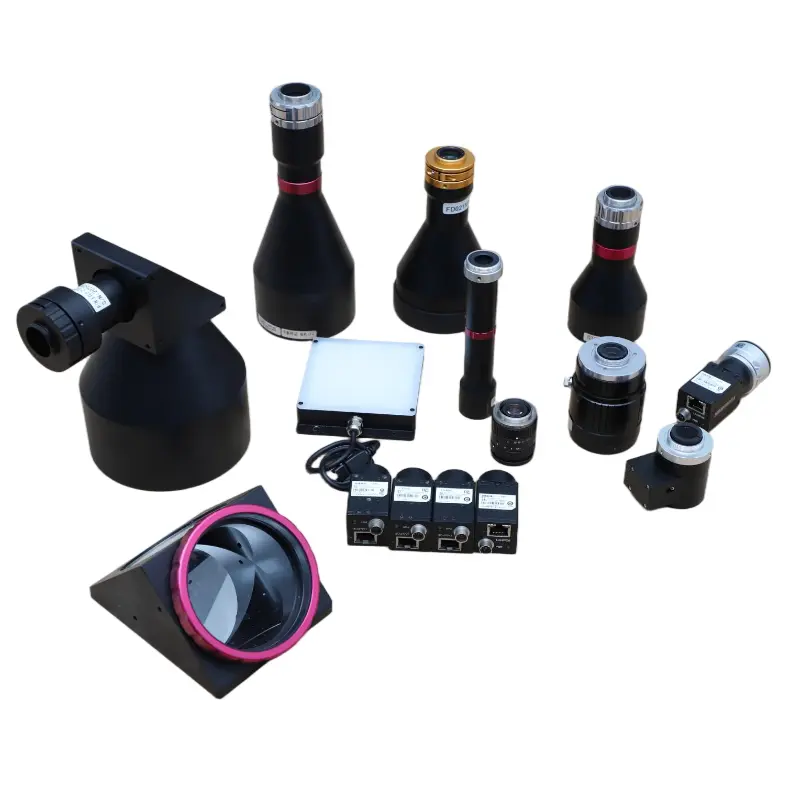
- Machine Vision Cameras: Capture high-resolution images for defect detection
- Laser Measurement Sensors: Perform dimensional accuracy checks
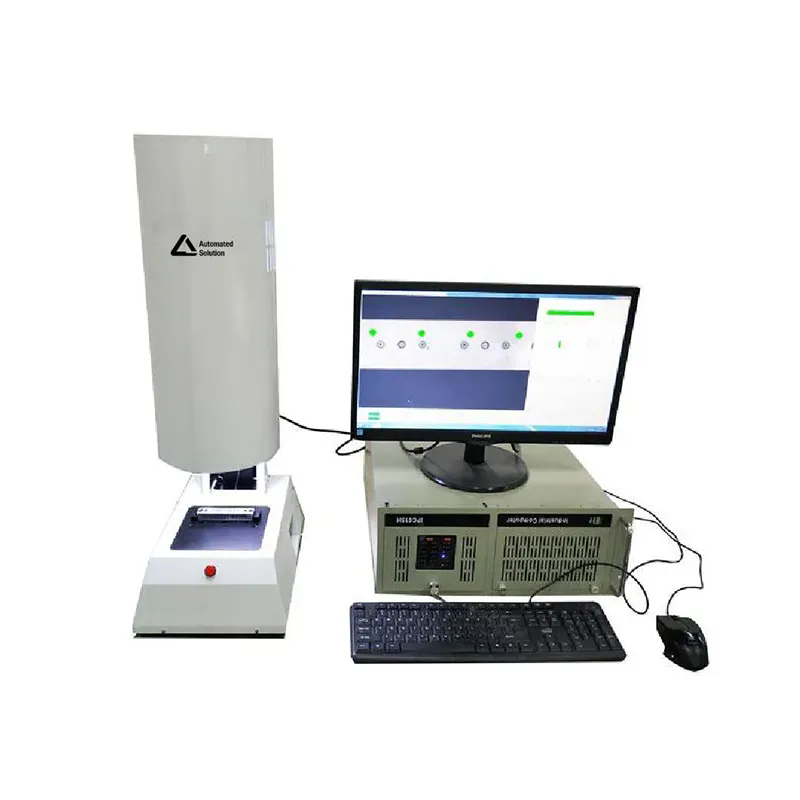
- AI Processing Unit: Analyzes inspection data in real time
- Sorting Module: Separates qualified and defective products
- Control System: Central interface for monitoring and adjustment
Operational Workflow
The inspection process typically follows these stages:
- Loading of raw metal hardware into the feeding system
- Automated transportation through conveyor systems
- Multi-angle visual inspection using cameras
- Dimensional and structural validation using sensors
- AI-based defect classification and decision-making
- Automatic sorting into pass/fail categories
- Data logging for traceability and quality reporting
Inspection Technologies
Modern inspection lines rely on multiple advanced technologies working in coordination:
- Machine Vision: Detects scratches, cracks, and surface irregularities
- 3D Scanning: Measures complex geometries with high precision
- AI Algorithms: Learn defect patterns and improve detection accuracy
- Infrared Detection: Identifies material inconsistencies
- Data Analytics: Provides production insights and defect trends
Manual vs Automated Inspection
| Factor | Manual Inspection | Automated Inspection Line |
|---|---|---|
| Accuracy | Variable, dependent on human attention | High and consistent |
| Speed | Slow and labor-intensive | High-speed continuous operation |
| Cost Efficiency | High long-term labor cost | Reduced operational cost over time |
| Scalability | Limited | Highly scalable |
| Traceability | Low | Full digital traceability |
Key Benefits
- Significant reduction in defect rates
- Improved production efficiency and throughput
- Lower dependency on manual labor
- Enhanced product consistency and reliability
- Real-time quality monitoring and reporting
- Better customer satisfaction and reduced returns
Solutions developed by LANCE INDUSTRIAL are engineered to meet demanding industrial requirements while ensuring long-term operational stability.
Implementation Considerations
When deploying a Metal Hardware Inspection Line, manufacturers should evaluate several key factors:
- Production volume and throughput requirements
- Types of metal hardware being inspected
- Factory floor space and layout constraints
- Integration with existing production systems
- Required inspection accuracy levels
Maintenance and Optimization
Regular maintenance ensures long-term stability and accuracy of inspection systems. Key practices include:
- Routine calibration of sensors and cameras
- Cleaning of optical components
- Software updates for AI models
- Mechanical inspection of conveyor systems
- Data system backup and performance checks
Industrial Applications
Metal Hardware Inspection Lines are widely used in:
- Automotive component manufacturing
- Aerospace precision parts production
- Construction hardware quality control
- Electronics metal casing inspection
- Industrial fastener production
ROI and Business Impact
Investing in an automated inspection system delivers measurable returns through reduced defect rates, lower labor costs, and improved production efficiency. Over time, manufacturers experience stronger brand reliability and fewer product recalls.
LANCE INDUSTRIAL provides scalable solutions designed to maximize long-term operational value while maintaining high inspection precision.
FAQ
Q1: What types of defects can be detected?
Surface scratches, cracks, dimensional deviations, and structural inconsistencies.
Q2: Can the system handle different product sizes?
Yes, modern systems are adjustable and support multiple hardware specifications.
Q3: Is AI necessary for inspection lines?
AI enhances accuracy and learning capability, but systems can operate with rule-based logic as well.
Q4: How fast is an inspection line?
Speed depends on configuration, but high-end systems can inspect thousands of parts per hour.
Q5: Does LANCE INDUSTRIAL provide customization?
Yes, LANCE INDUSTRIAL offers tailored configurations based on production needs.
Conclusion
A Metal Hardware Inspection Line is no longer optional in modern manufacturing environments where precision, efficiency, and reliability are critical. By integrating advanced vision systems, automation, and intelligent analytics, manufacturers can significantly improve product quality while reducing operational costs.
With proven engineering expertise, LANCE INDUSTRIAL delivers robust inspection line solutions that help manufacturers stay competitive in demanding industrial markets.
If you are looking to upgrade your production quality system, contact us today to explore customized Metal Hardware Inspection Line solutions tailored to your factory needs.
Related News
- How Does a One Click Flash Tester Revolutionize Precision Dimensional Inspection in Manufacturing?
- How Does the One Click Flash Tester Transform High-Precision Dimensional Measurement?
- Why Are Automatic Visual Counting and Packaging Machines Essential for Modern Manufacturing Lines?
- Why Are Stone Fabricators Switching to Robotic Arm Slab Visual Positioning Systems?
- Why Are More Manufacturers Replacing Manual Inspection with Automatic Visual Inspection Machine?
- How to Choose Between Eddy Current and Vision Inspection for Your Metal Hardware Production Line
Leave me a message