- Home
- About Us
- Products
- Automatic Visual Inspection Machine
- Metal Hardware Inspection Line
- Automobile Parts Defect Detection System
- Automatic Visual Counting and Packaging Machines
- Medical Drugs and Consumables Optical Sorting Machine
- Rubber and Plastic CCD Automatic Visual Inspection Equipment
- HVAC and Refrigeration Parts Automatic Vision Inspection Equipment
- News
- Download
- Send Inquiry
- Contact Us
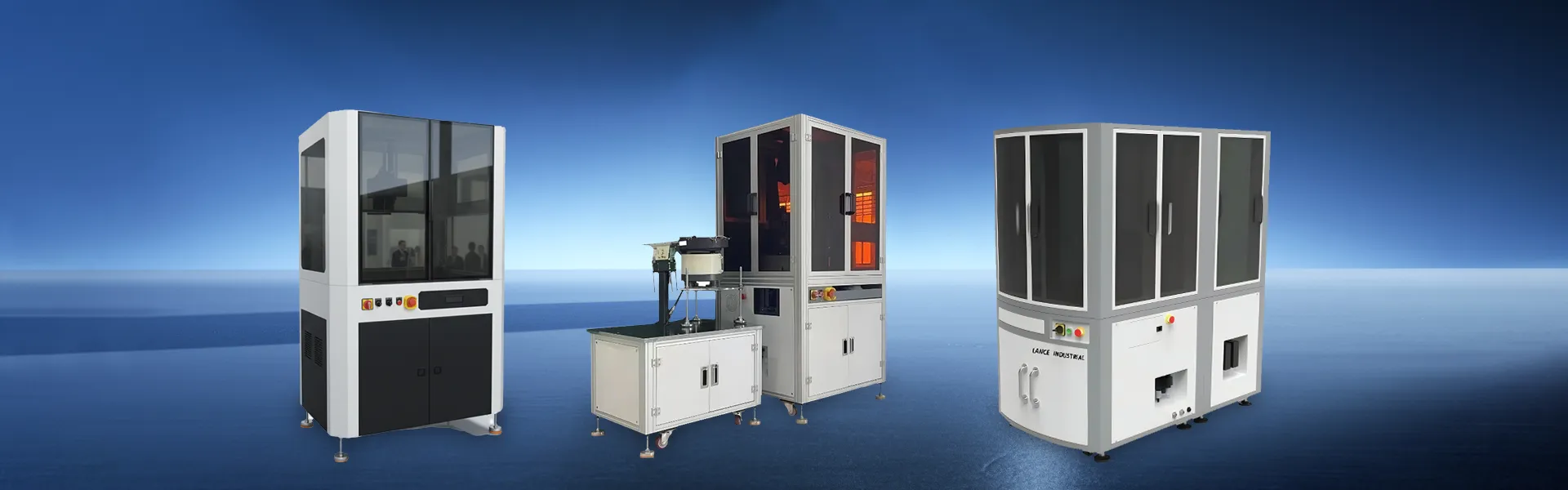
Advanced HVAC and Refrigeration Parts Automatic Vision Inspection Equipment in China
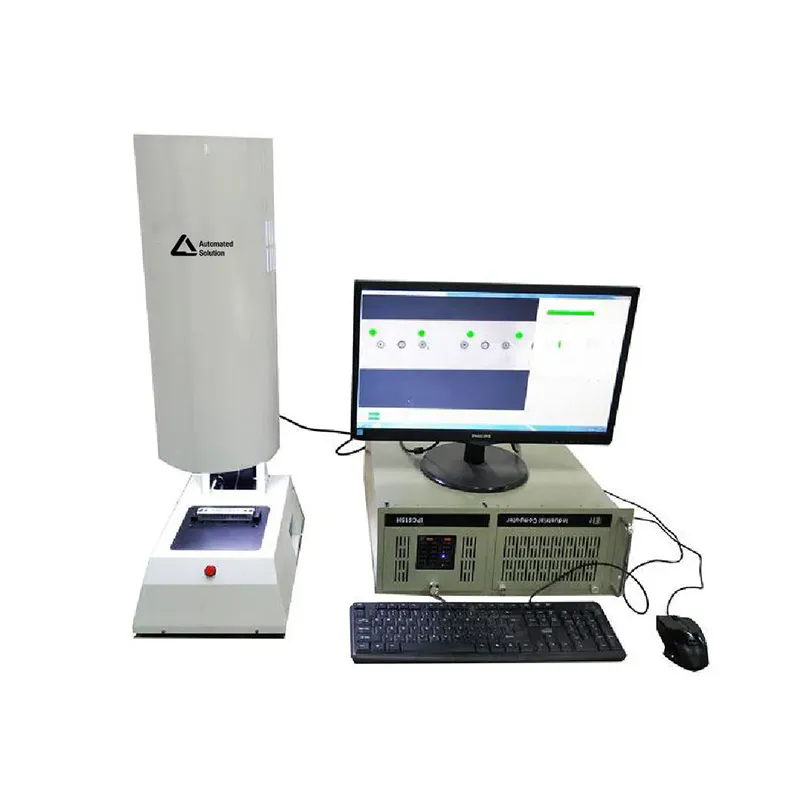
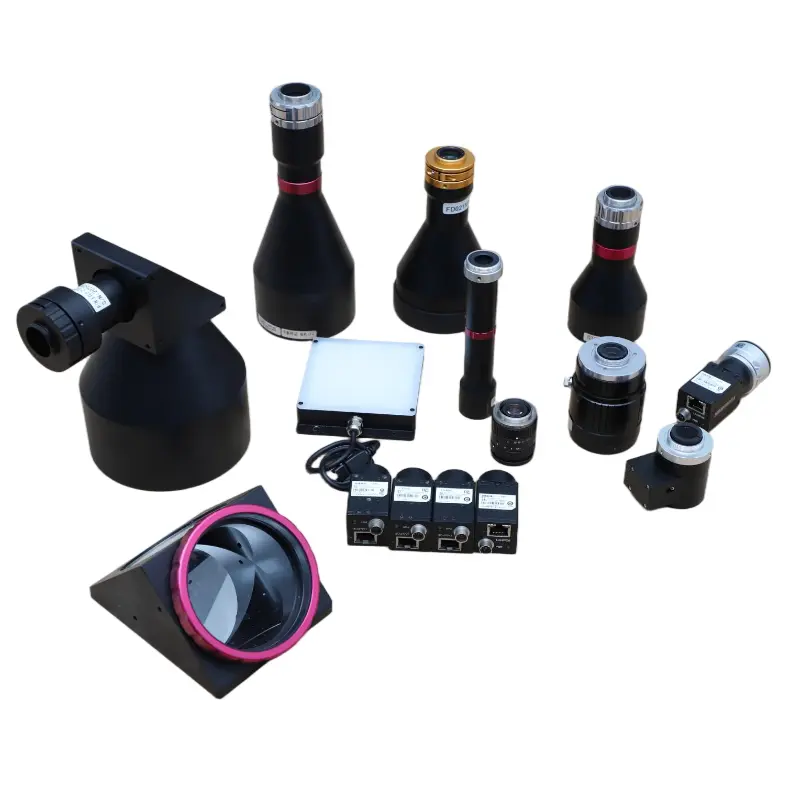
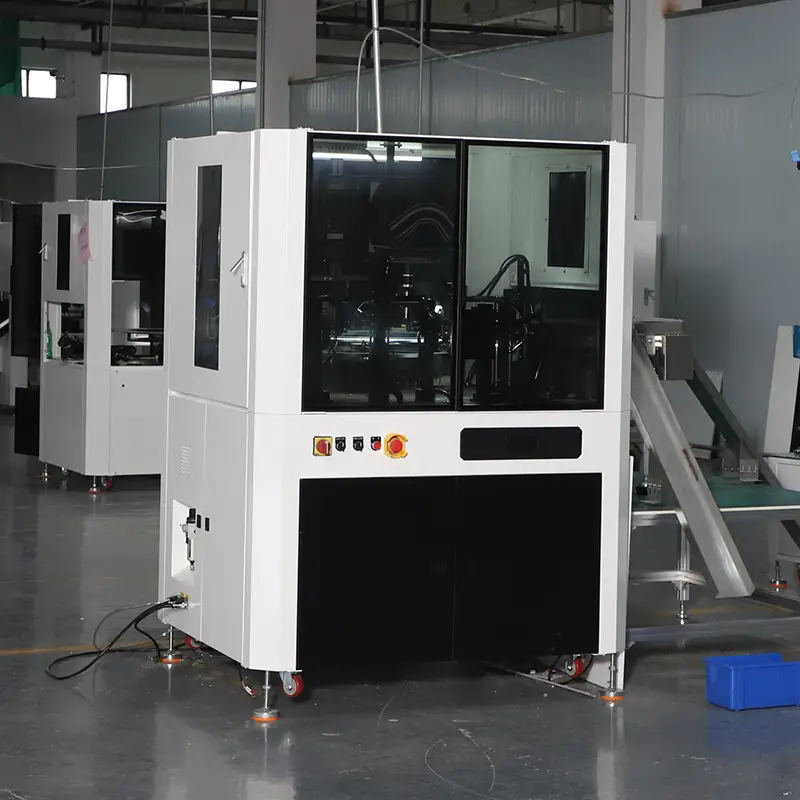
With the widespread adoption of smart devices, the application of AI software in manufacturing has become a future trend. NINGBO LANCE INDUSTRIAL CO.,LIMITED integrates AI technology with its products, conducting customized research and development and design for different types of refrigeration components, including automated feeding, conveying, camera positioning, and sorting and packaging. Leveraging long-term collaborative experience with numerous refrigeration component manufacturers, we have developed various HVAC and Refrigeration Parts Automatic Vision Inspection Equipment, injecting new momentum into the intelligent and automated development of modern refrigeration and air conditioning component production lines.
What types of defects can vision inspection systems detect?
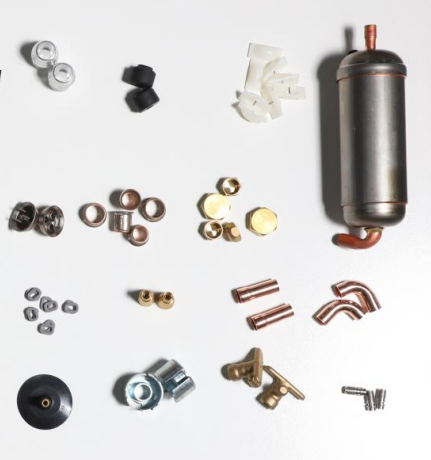
We offer Automatic Vision Inspection Equipment for inspecting HVAC and refrigeration components such as Flare Nuts, Valve Stems, Cooling Fins, Stamping Parts, Serve Valves, and Copper Tubes. We can also add conveyor belts and packaging lines according to customer customization needs.
Defects include: surface scratches, pits, dirt, oil stains, printing errors, missing characters, poor welding points, component displacement, cracks, bubbles, color deviations, dimensional deviations, and assembly omissions.HVAC and Refrigeration parts Automatic Vision Inspection Equipment sparked widespread evaluation,discussion and application in the HVAC and Refrigeration industry.
Cost and Benefits
| What is the process for deploying vision inspection systems? | Requirement Analysis → Solution Design → Optical Validation → Software Development → On-site Installation → Integration Testing → Personnel Training → Delivery & Acceptance. |
| How long does it take to implement vision inspection systems? | Standard projects: 4–8 weeks; complex custom projects: 2–6 months. |
| What are the challenges in deploying vision inspection systems? | Retrofitting without stopping production, product diversity, environmental constraints, internal client coordination. |
| How do vision inspection systems handle site-specific requirements? | Explosion-proof, waterproof, high-temperature resistant, and cleanroom-compatible versions available for extreme conditions. |
| What support is available during the deployment of vision inspection systems? | On-site engineering assistance, remote troubleshooting, phased reviews, and documentation delivery. |
| How do vision inspection systems handle scalability during deployment? | Pre-reserved hardware interfaces and software architecture redundancy for functional/station expansions. |
New Products
- Silicone Products CCD Automatic Visual Inspection Equipment
- Plastic Parts CCD Automatic Visual Inspection Equipment
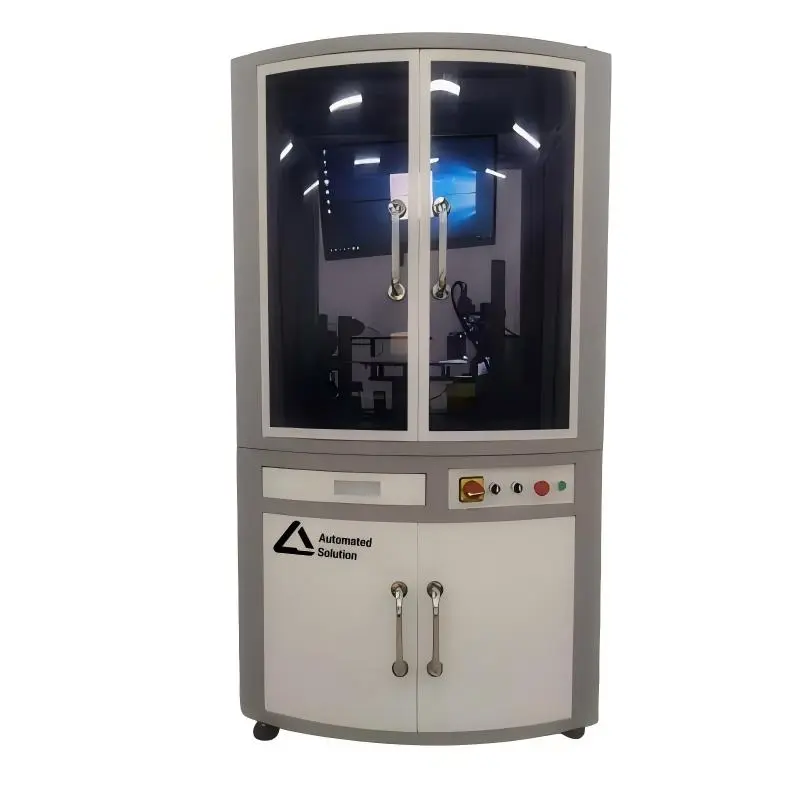
- Special Shaped rubber parts CCD Automatic Visual Inspection Equipment
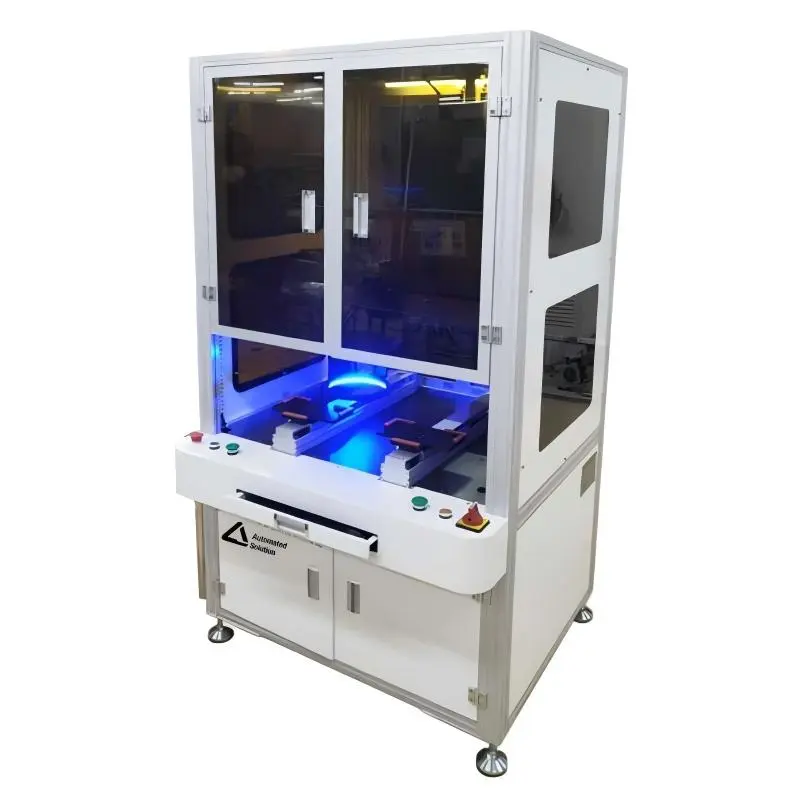
- Rubber Plug CCD Automatic Visual Inspection Equipment
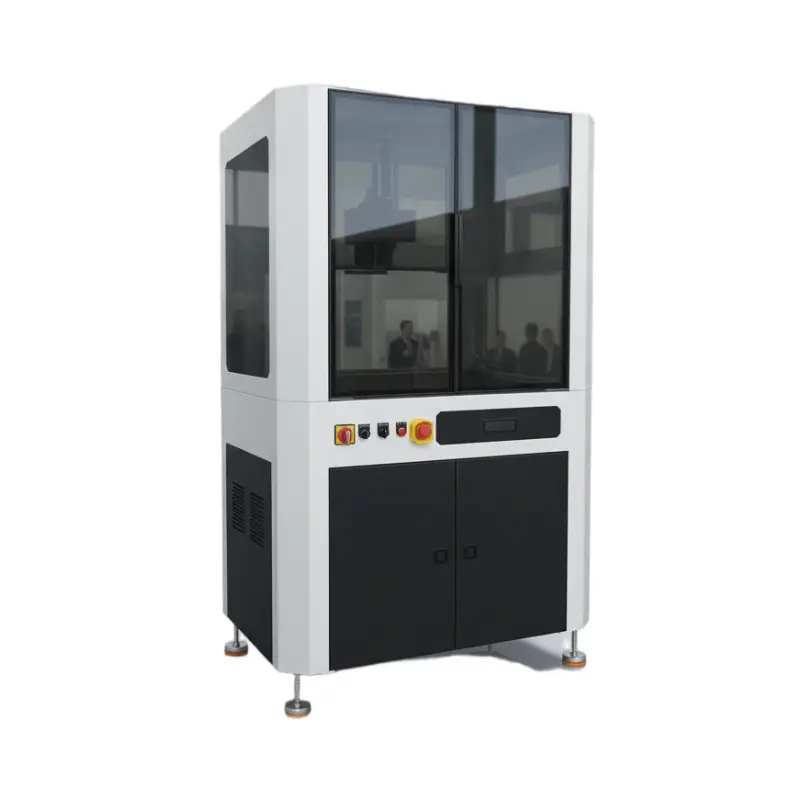
- Rubber Gasket CCD Automatic Visual Inspection Equipment
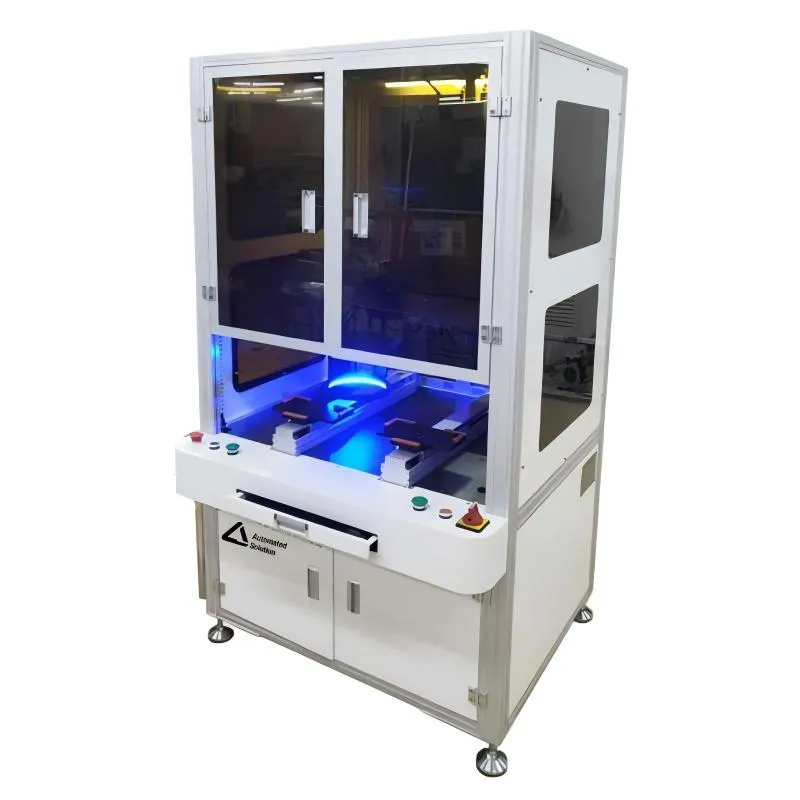
- View as
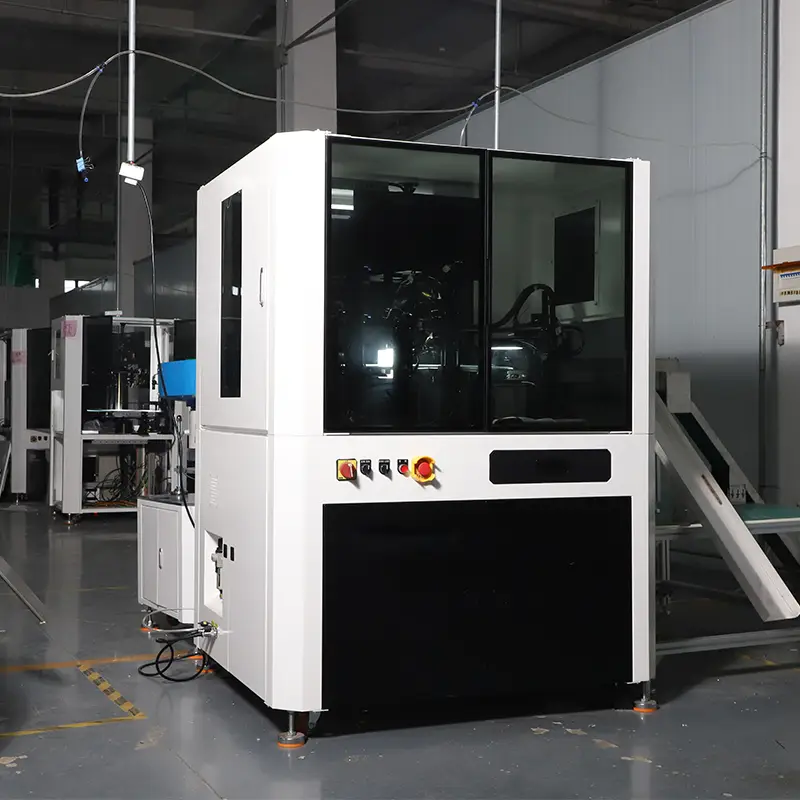
Copper Tube Automatic Vision Inspection Equipment
NINGBO LANCEINDUSTRIAL CO.,LIMITED is an automated inspection equipment manufacturer in China, and we have been committed to the production of visual inspection equipment.we have received many requests from refrigeration manufacturers for the inspection and screening of copper tubes. Our specially developed Copper Tube Automatic Vision Inspection Equipment meets most of the inspection requirements for copper tubes
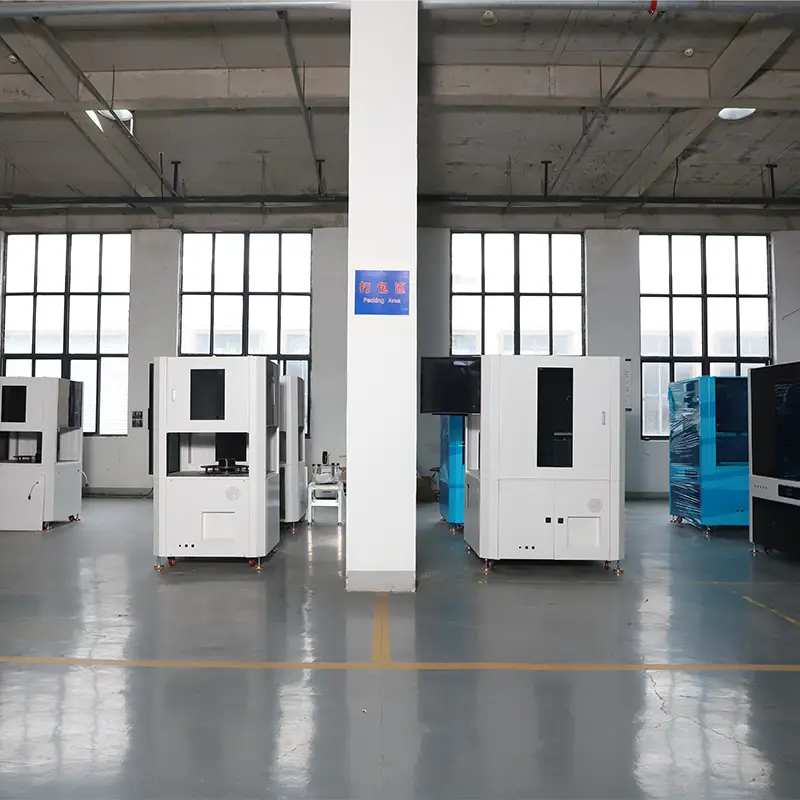
Reservoir and Dryer Parts Automatic Vision Inspection Equipment
NINGBO LANCEINDUSTRIAL CO.,LIMITED received a request from an air conditioner liquid receiver manufacturer who previously relied on manual visual inspection and caliper measurements for quality control. This resulted in issues such as insufficient production capacity during peak seasons, high rates of missed inspections, and customer complaints. Based on the customer's needs, we successfully developed Reservoir and Dryer Parts Automatic Vision Inspection Equipment, which can automatically complete the entire process of liquid receiver loading, positioning, imaging, analysis, and sorting.
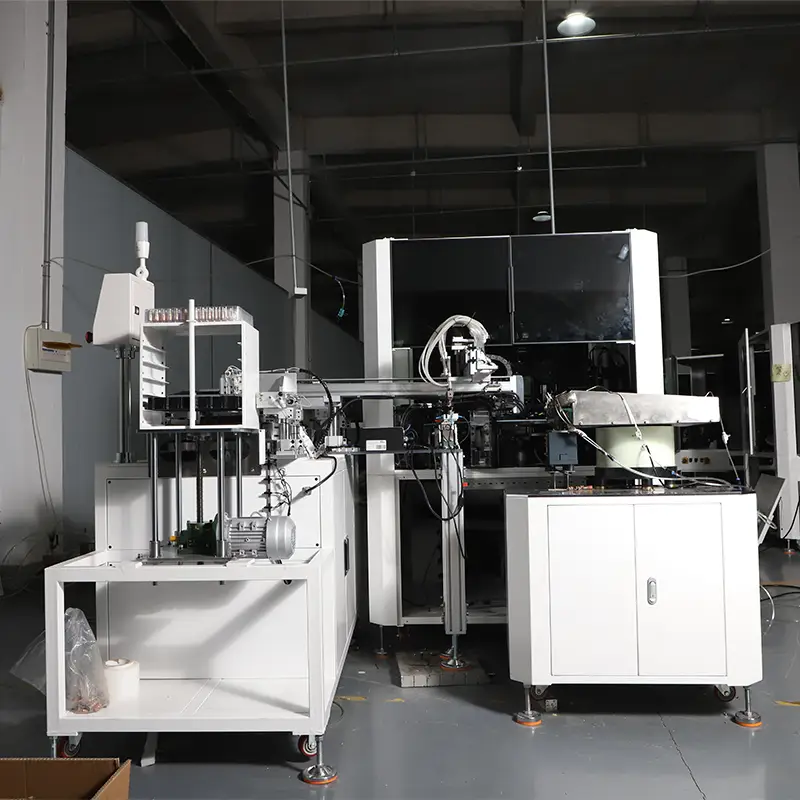
Serve Valve CCD Automatic Visual Inspection Machine
NINGBO LANCEINDUSTRIAL CO.,LIMITED specializes in CCD visual inspection equipment, providing production line inspection services for manufacturers of mass-produced refrigeration components. Their Serve Valve CCD Automatic Visual Inspection Machine is suitable for large-scale production scenarios such as air conditioning shut-off valves, enabling automated defect screening.
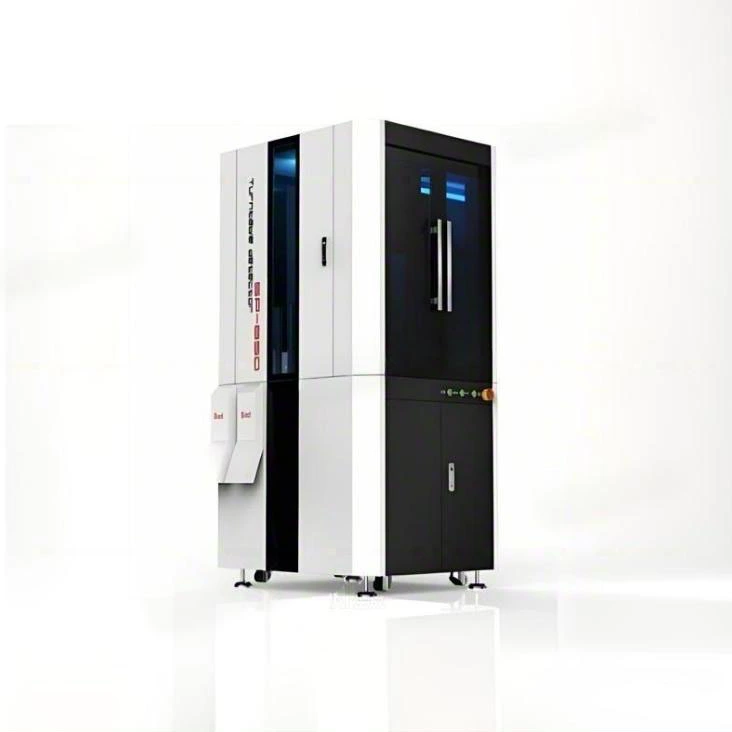
Stamping Parts CCD Automatic Visual Inspection Machine
LANCE INDUSTRIAL, as a professional manufacturer and supplier of CCD visual inspection equipment in China, has developed and produced the Stamping Parts CCD Automatic Visual Inspection Machine. This machine uses a CCD camera to capture images and perform digital processing, accurately determining the size, shape, and other characteristics of the products.
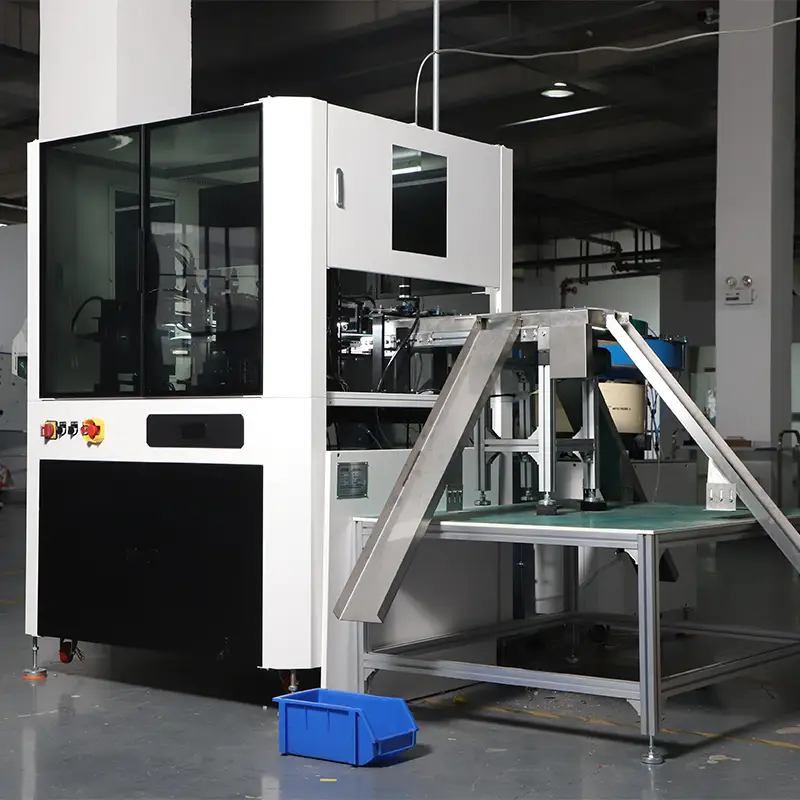
Cooling Fin Automatic Vision Inspection Equipment
With the increasingly widespread application of visual inspection, and the growing demand for refrigeration equipment, manufacturers are increasingly seeking to inspect refrigeration components. This is crucial for ensuring the quality of complete refrigeration systems. NINGBO LANCE INDUSTRIAL CO.,LIMITED , a Chinese manufacturer of CCD visual inspection equipment, has developed a cooling fin Automatic Vision Inspection Equipment, which has become an essential quality inspection tool for most refrigeration equipment factories.
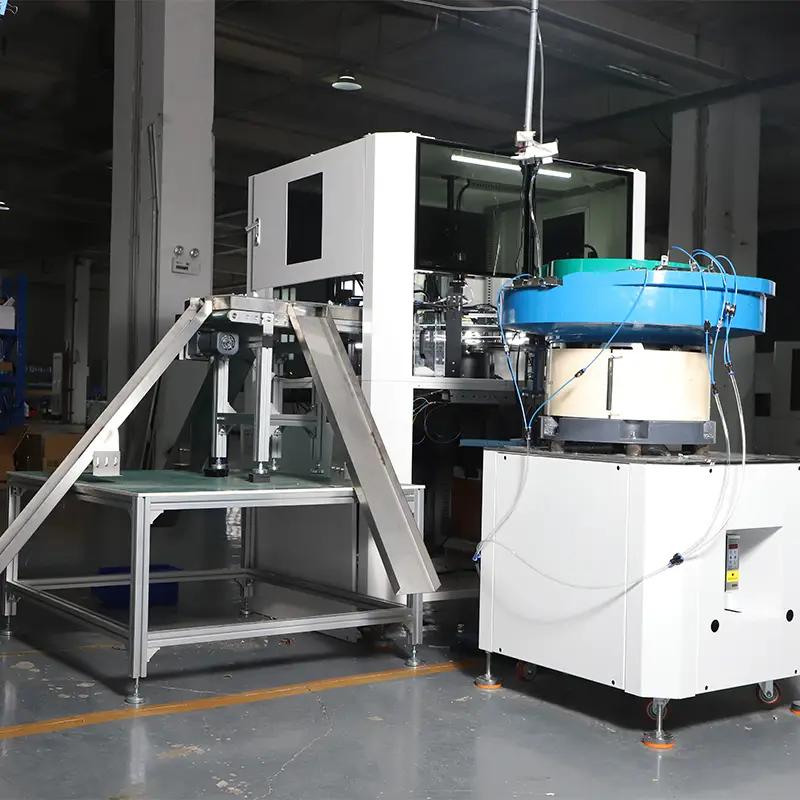
Valve Stem Automatic Vision Inspection Equipment
NINGBO LANCEINDUSTRIAL CO.,LIMITED focuses not only on improving equipment performance but also on user experience during product development. Utilizing cutting-edge CCD vision inspection technology, they have not only improved the accuracy of appearance defect detection but also ensured rapid and reliable judgment. The Valve Stem Automatic Vision Inspection Equipment is widely used in the automotive industry. This equipment enables continuous and automated operation, significantly improving inspection efficiency and accuracy. Furthermore, the inspection cycle for individual products is significantly shortened, resulting in a substantial improvement in production line efficiency.
LANCE INDUSTRIAL is a professional HVAC and Refrigeration Parts Automatic Vision Inspection Equipment manufacturer and supplier in China. We warmly welcome you to purchase high quality products at competitive price from our factory.