News

‌Injection Molding Defects: How Machine Vision Detects Common Visual Flaws in Plastic Parts

2026-03-11 0 Leave me a message

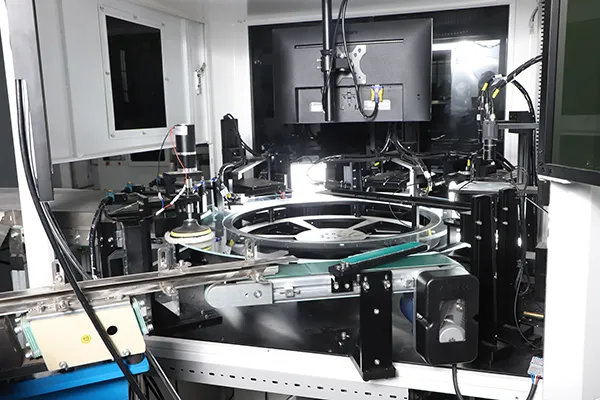
Injection molding is a cornerstone of modern manufacturing, producing millions of plastic components daily. Yet, visual defects—such as color deviations, warpage, and weld lines—are far more prevalent than dimensional issues due to material variability and process complexities. Machine vision inspection systems have emerged as a critical solution, enabling real-time defect detection and quality assurance. This article explores the most common visual defects in injection molding and how advanced machine vision technology identifies them, ensuring compliance with industry standards like ISO 9001.


1. Color Deviation (Color Difference)‌

Definition‌: A noticeable difference between the molded part’s color and the standard sample under D65 lighting.

Cause‌: Inconsistent pigment distribution, temperature fluctuations, or material degradation during molding.

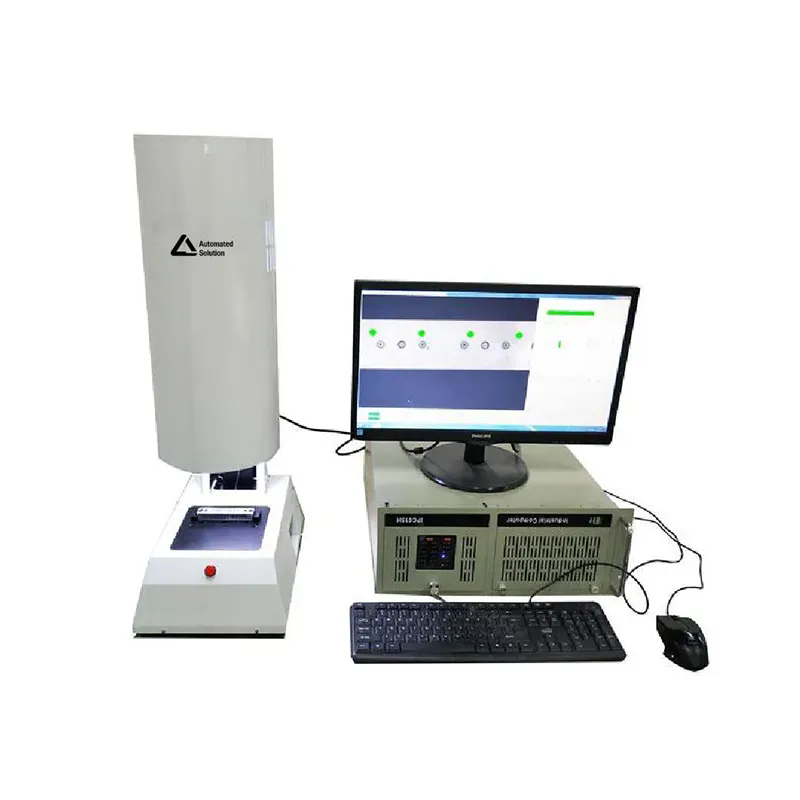
Detection‌: Machine vision systems use calibrated color sensors and AI-driven algorithms to compare hues against predefined standards, minimizing human error.


2. Short Shot (Incomplete Filling)‌

Definition‌: Unfilled sections, voids, or bubbles in the molded part.

Cause‌: Insufficient material injection, low mold temperature, or blocked vents.

Detection‌: Edge detection and pattern recognition algorithms analyze surface contours, identifying missing areas with pixel-level accuracy.


3. Warpage (Deformation)‌

Definition‌: Distortion post-demolding, including bending or uneven surfaces.

Cause‌: Uneven cooling, internal stresses, or improper mold design.

Detection‌: 3D scanning or stereo vision systems measure geometric deviations from CAD models, ensuring dimensional integrity.


‌Why Machine Vision is Essential for Injection Molding Quality Control‌

Injection molded parts often exhibit inconsistent defects due to material variability and process fluctuations. Machine vision systems address this by:

‌Customizing Inspection‌: Tailoring algorithms to specific product geometries and defect types. ‌Improving Accuracy‌: Reducing false positives/negatives through advanced AI models. ‌Enhancing Efficiency‌: Integrating with production lines for real-time feedback.

‌Boosting Quality‌: Minimizing scrap rates and ensuring compliance with industry standards.


Related News
Leave me a message
X
We use cookies to offer you a better browsing experience, analyze site traffic and personalize content. By using this site, you agree to our use of cookies. Privacy Policy
Reject Accept