- Home
- About Us
- Products
- Automatic Visual Inspection Machine
- Metal Hardware Inspection Line
- Automobile Parts Defect Detection System
- Automatic Visual Counting and Packaging Machines
- Medical Drugs and Consumables Optical Sorting Machine
- Rubber and Plastic CCD Automatic Visual Inspection Equipment
- HVAC and Refrigeration Parts Automatic Vision Inspection Equipment
- News
- Download
- Send Inquiry
- Contact Us

Why Are More Manufacturers Replacing Manual Inspection with Automatic Visual Inspection Machine?
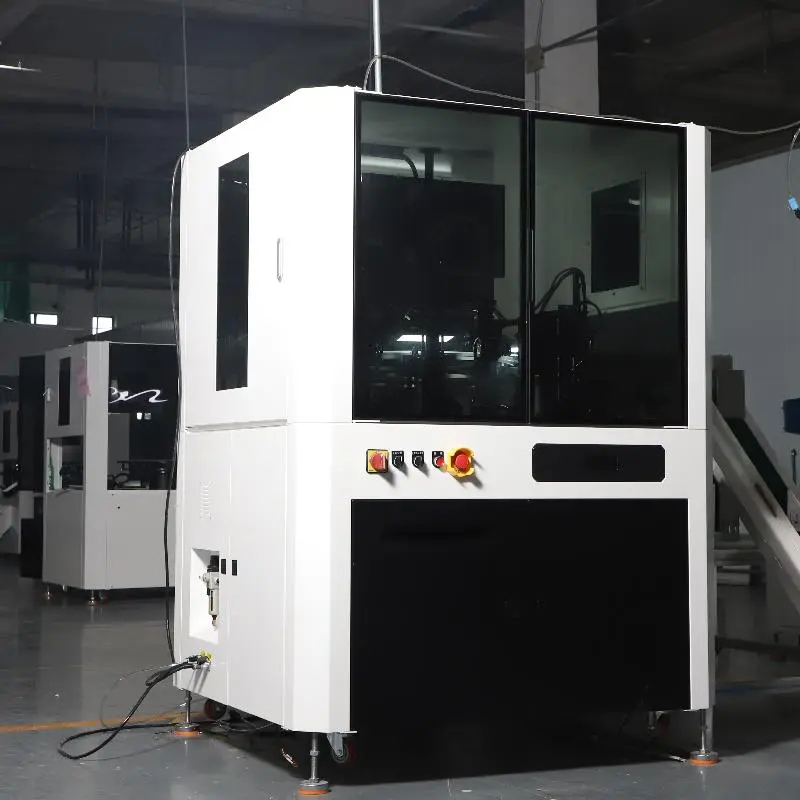
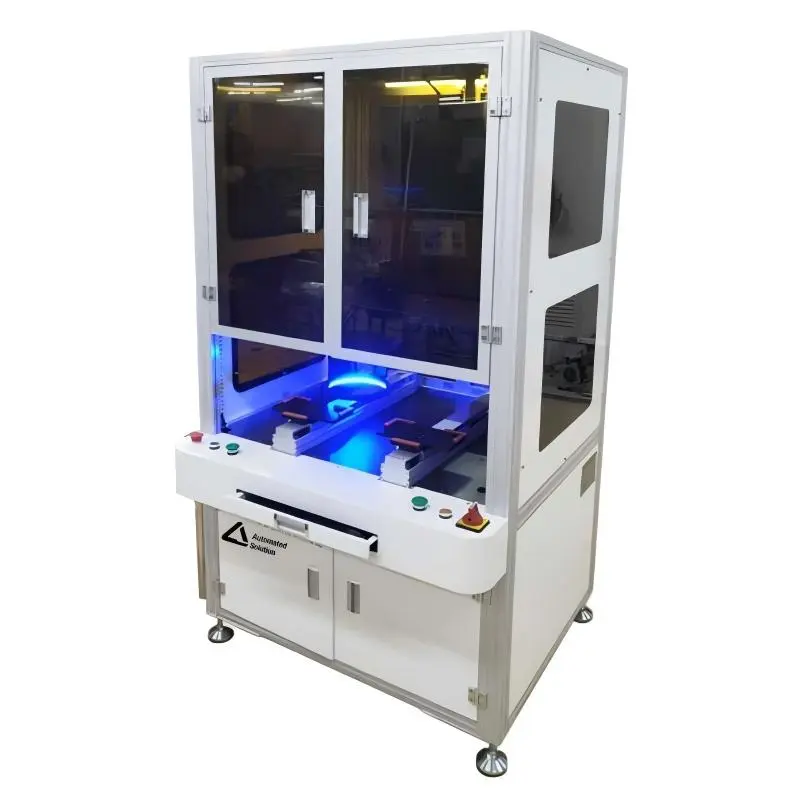
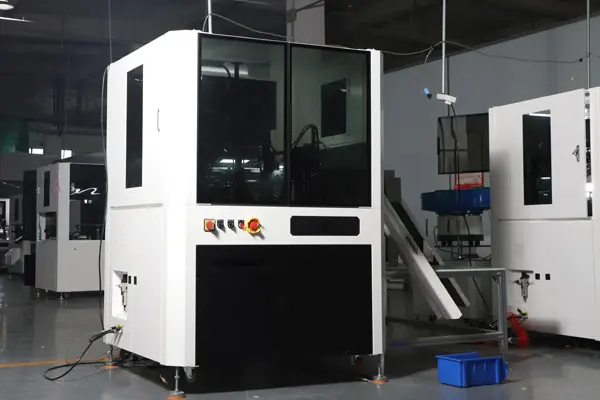
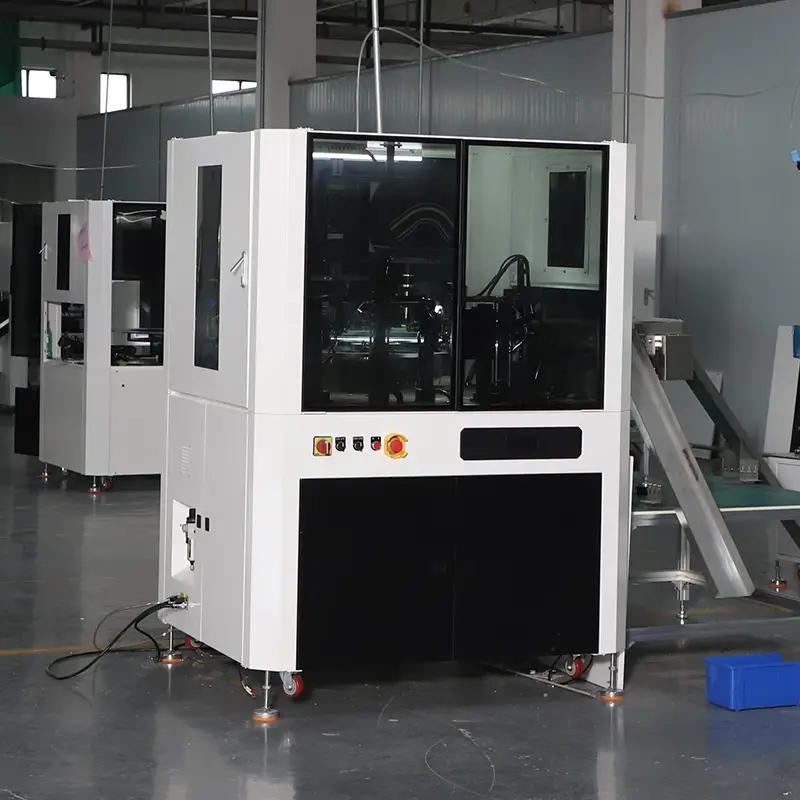
Facing increasingly stringent quality standards and rising labor costs in global manufacturing, the limitations of traditional manual visual inspection are becoming more apparent. When defect detection needs to reach micron-level precision, the shortcomings of the human eye in speed, stability, and objectivity have become a bottleneck in quality control. Against this backdrop, more and more manufacturers are choosing to introduce Automatic Visual Inspection Machine into their production lines to achieve a comprehensive upgrade of their inspection processes.
Three Bottlenecks of Manual Inspection and the Inevitable Shift to Automation
In long-term production practice, the problems exposed by manual visual inspection are driving manufacturers to accelerate the transition to automated solutions.
Inconsistent Inspection Standards
Different inspectors have varying levels of experience and judgment habits, resulting in inconsistent evaluation results for the same batch of products. A product deemed acceptable by one inspector might be judged defective by another. An automatic visual inspection system applies exactly the same pre-set algorithm parameters to every single product, completely eliminating misjudgments and omissions caused by subjectivity.
Production Efficiency Hits a Ceiling
Manual inspection speed is limited by human physiological constraints. Inspectors need breaks and shift rotations, and their attention and judgment accuracy decline significantly as working hours increase. Simply adding more personnel to boost inspection efficiency not only complicates management but also offers limited room for per-unit output improvement. An automatic visual inspection system can complete image capture and defect judgment in milliseconds and keep pace with production line speeds without interruption.
Surging Long-term Labor Costs
In recent years, the manufacturing industry has widely faced the dual challenges of recruitment difficulty and high employee turnover. The hidden costs of hiring, pre-job training, skill assessment, and personnel flow continuously erode profit margins. A skilled inspector often requires months to train, and the vacancy left by their departure directly impacts shipment schedules. By comparison, once an Automatic Visual Inspection Machine is commissioned, it runs stably over the long term, significantly reducing reliance on a high-density manual workforce.
Core Application Advantages of Automatic Visual Inspection Systems
Micron-Level High-Precision Defect Recognition
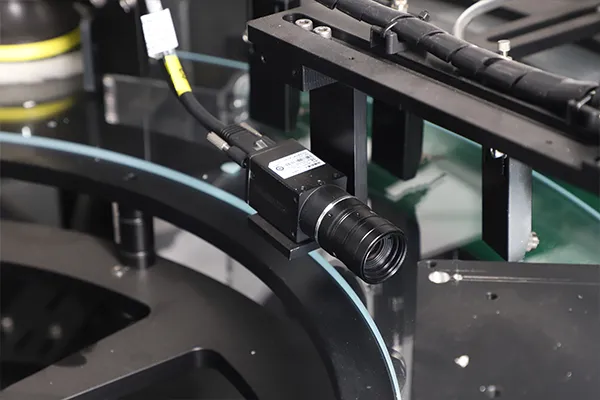
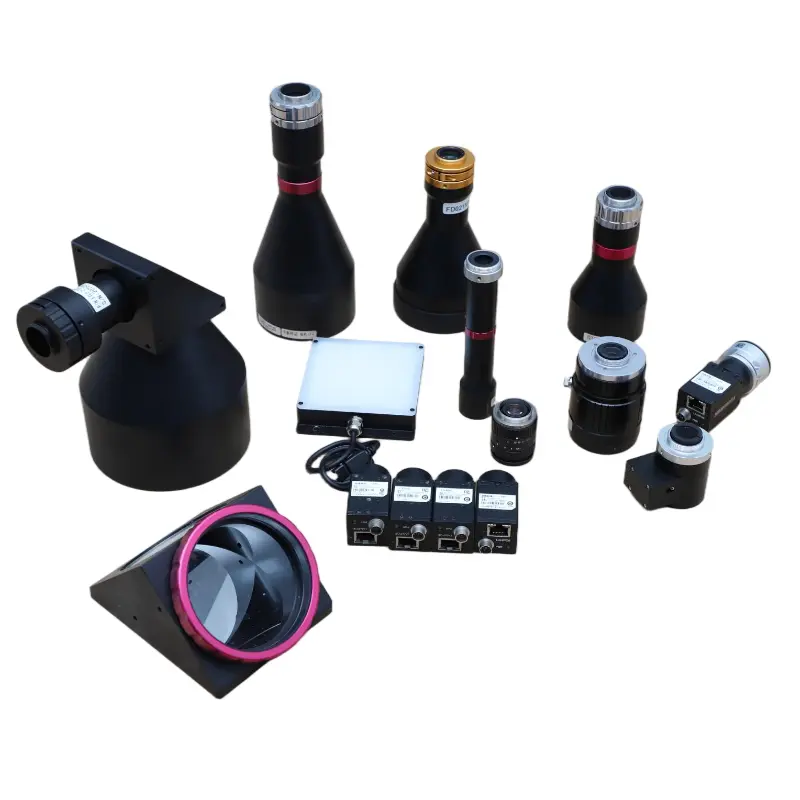
Equipped with high-resolution industrial cameras and advanced image processing algorithms, an automatic visual inspection system can accurately identify micron-level surface defects such as scratches, dents, burrs, contamination, and dimensional deviations. For dimensional measurement, the system delivers a maximum precision of ±0.001mm, ensuring that critical tolerances are verified consistently on every part.
Six Specialized Series Covering Diverse Inspection Needs
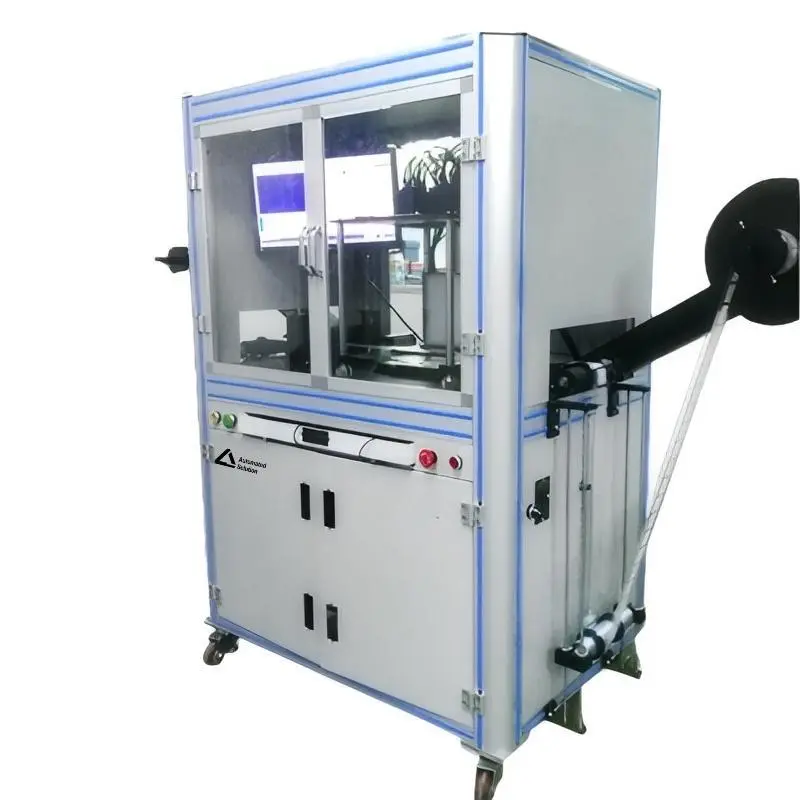
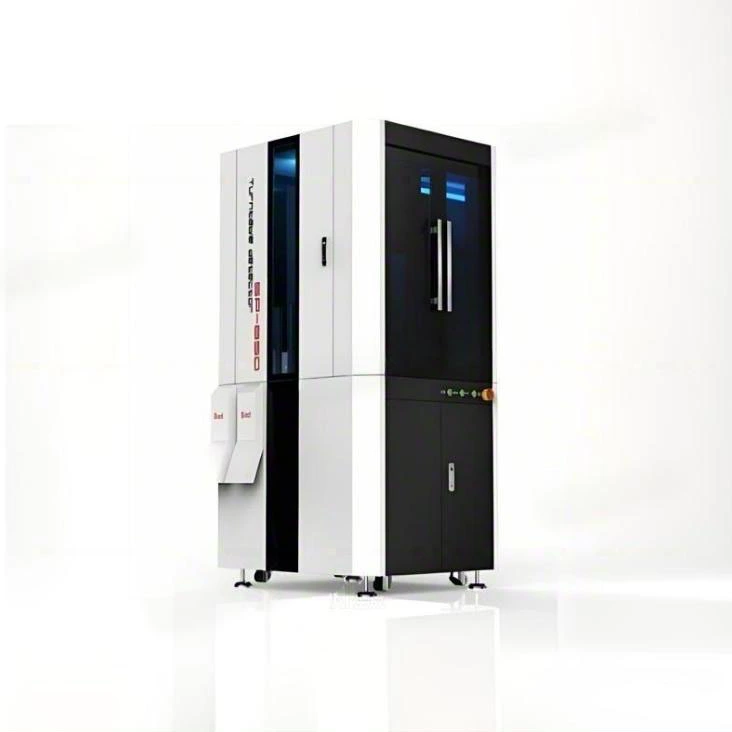
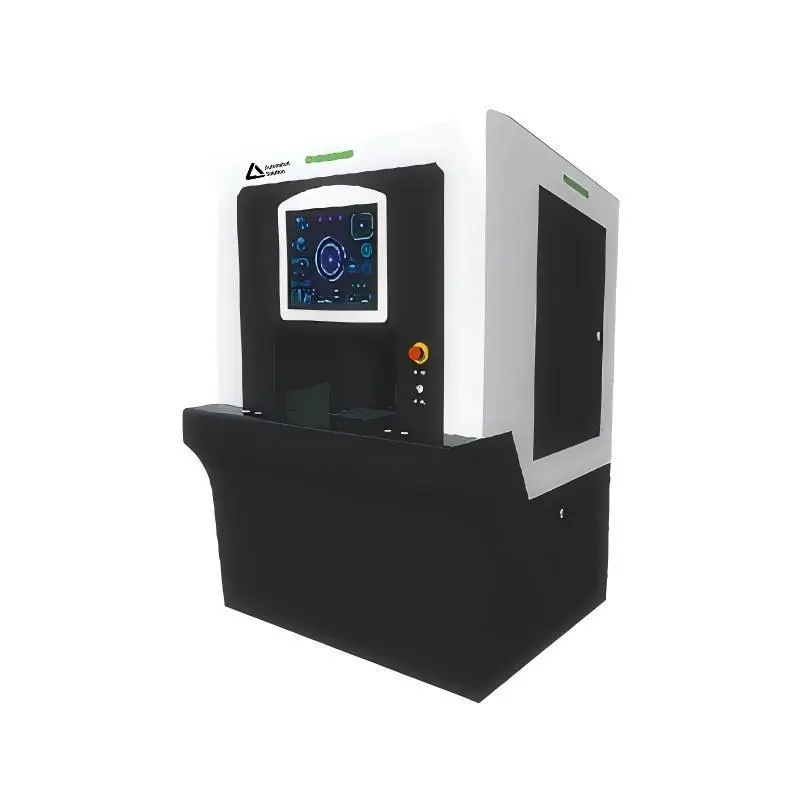
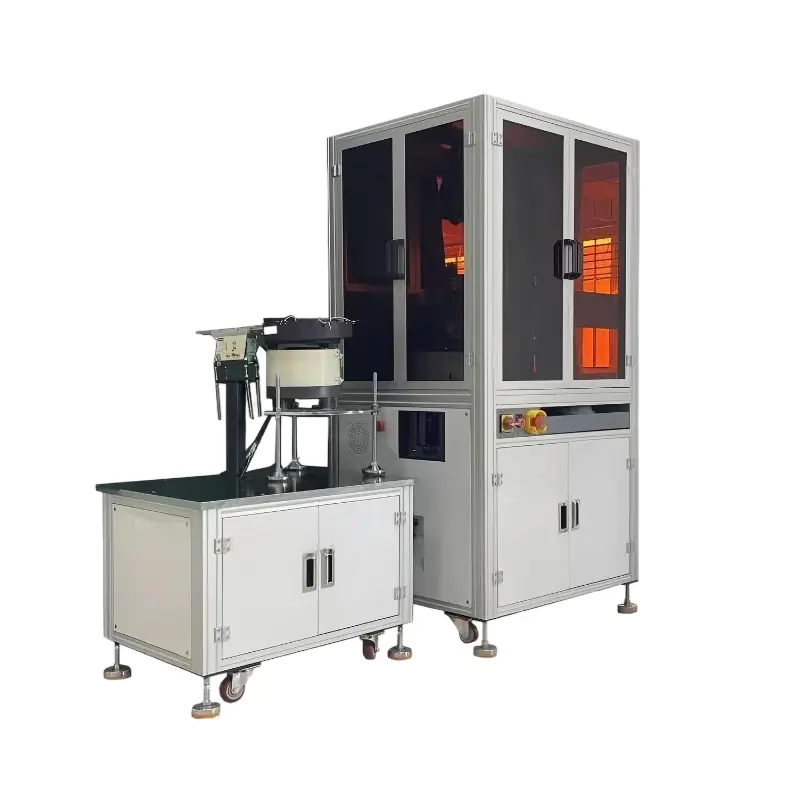
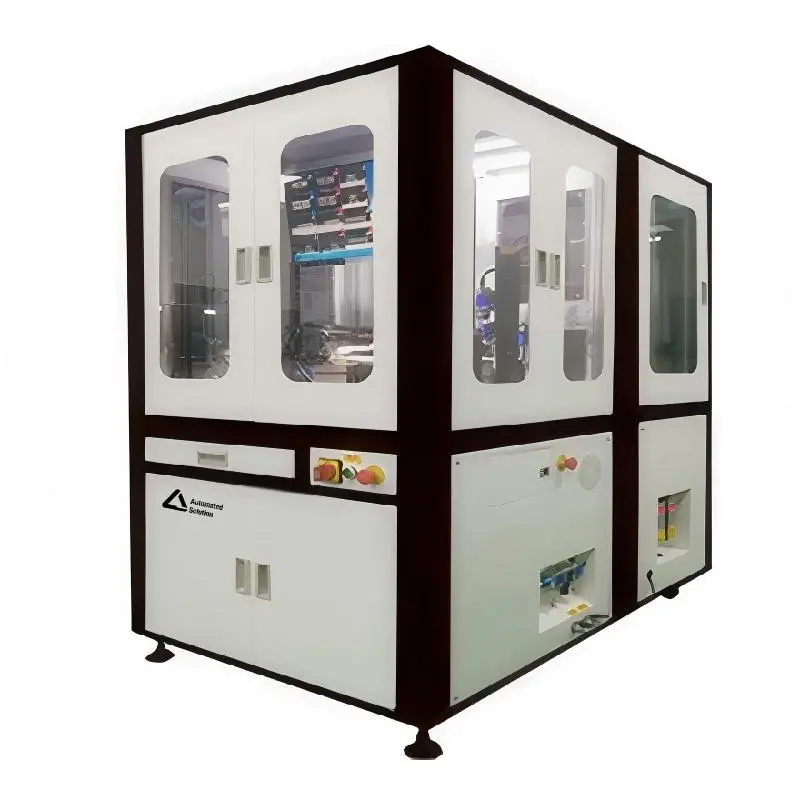
A modern automatic visual inspection system is not a single-function device. LANCE INDUSTRIAL offers six major series of automatic visual inspection machines, each developed to match specific production environments and quality requirements:
| Equipment Series | Core Function | Typical Application Scenarios |
|---|---|---|
| Standard CCD Automatic Visual Inspection Machine | High-precision CCD imaging with multi-angle illumination for surface defect and dimensional inspection | Mass production lines for plastic parts, rubber components, and general hardware with standardized inspection requirements |
| Customized CCD Automatic Visual Inspection Machine | Tailored imaging configuration, fixture design, and detection algorithms for unique product geometries | Complex-shaped components, multi-surface inspection needs, and specialized industry-specific quality standards |
| Euro-standard CCD Automatic Visual Inspection Machine | CE-certified design compliant with European safety and electromagnetic compatibility regulations | Export-oriented manufacturers supplying European markets with strict regulatory compliance requirements |
| Robotic Arm Slab Visual Positioning System | Precision robotic guidance using visual positioning for slab alignment and orientation correction | Ceramic slab processing, stone slab cutting lines, and large-format material handling applications |
| Flying Capture High-Speed Image Acquisition Machine | Ultra-fast image capture during continuous product movement without stopping the production flow | High-speed stamping lines, continuous molding operations, and fast-paced assembly automation |
| One Click Flash Tester | Instant multi-dimensional measurement with single-click operation for rapid dimensional verification | Incoming material inspection, first-article approval, and quick QC checks on the shop floor |
- High-Speed Inspection from 200 to 1200 Parts Per Minute:Inspection speed is a critical factor for high-volume production. Depending on the model and part characteristics, the automatic visual inspection system can achieve inspection rates ranging from 200 to 1200 pieces per minute. This high throughput ensures that 100% inspection can be accomplished without creating bottlenecks in the production flow.
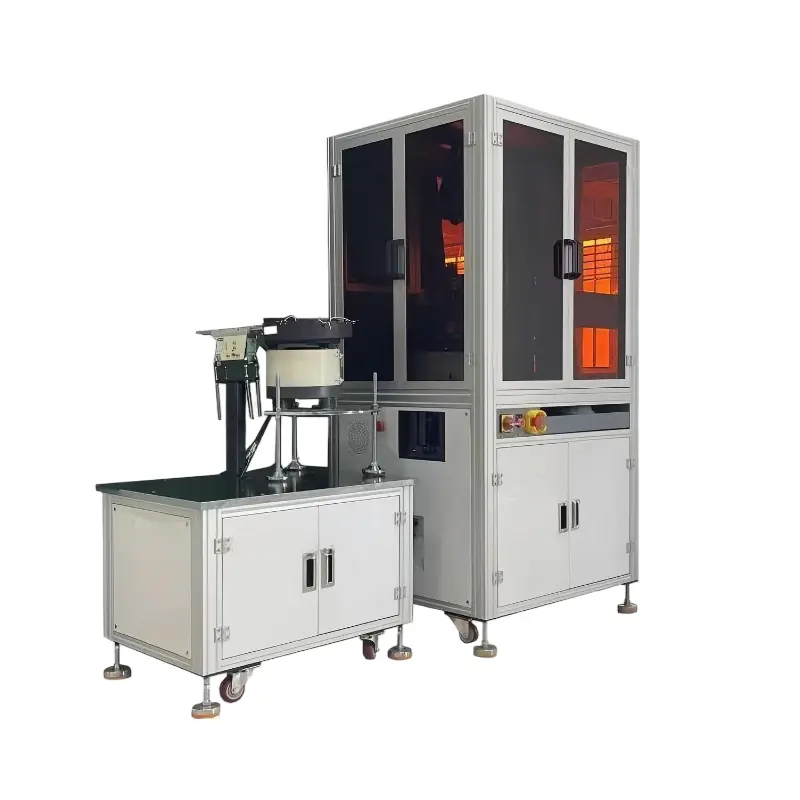
- Adaptable to Various Production Modes and Line Layouts:An automatic visual inspection system possesses flexible deployment capability. It can be configured at the end of a high-speed stamping line for inline 100% inspection, or independently set up as an offline sampling workstation. For existing production lines with limited floor space, the compact modular design allows embedded installation without requiring major layout modifications. For complex parts requiring multi-surface inspection, the system can simultaneously cover all critical viewpoints through rotating stations or multi-camera coordination.
- Quality Upgrade from Sampling Inspection to 100% Inspection:In fields with extremely strict yield requirements such as automotive components, medical devices, and precision electronics, the traditional sampling inspection model is no longer sufficient. Even a high sampling rate leaves a significant portion of products unchecked. Once a batch defect occurs, the cost of a full recall and the resulting brand reputation damage can be severe. By performing inline 100% inspection on every single part, an automatic visual inspection system effectively intercepts potential defective items, greatly reducing customer complaints and recall risks.
This comprehensive lineup enables Automatic Visual Inspection Machine solutions to be tailored for industries covering automotive components, medical devices, electronics, plastics, rubber, metal, ceramics, and fasteners, helping manufacturers build centralized quality control across multiple production lines.
Long-Term Benefits of System Stability
Stable and Consistent Operation Over Extended Periods
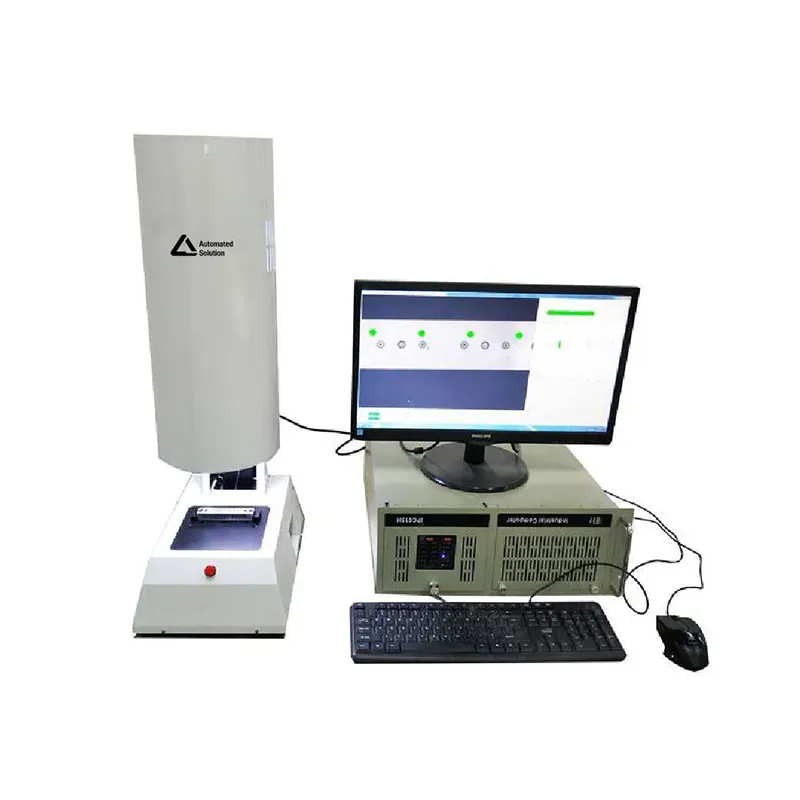
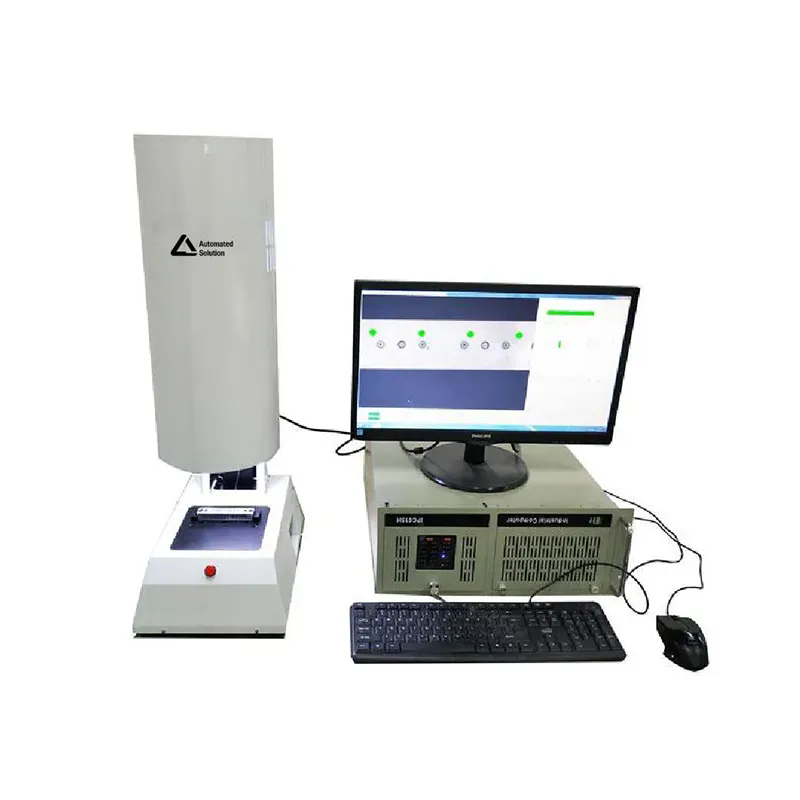
Composed of an industrial computer, precision optical components, and self-developed software, an automatic visual inspection system can maintain continuous and stable operation over long production runs. Inspection criteria do not drift over time, and the judgment logic for good and defective parts remains fully consistent, ensuring reliable quality decisions shift after shift.
Modular Design for Easy Upgrades and Maintenance
These visual inspection systems typically adopt a modular structural design. Core components such as industrial cameras, lenses, light controllers, and image processing units feature standardized interfaces, making subsequent maintenance and functional upgrades straightforward. When new part models or defect types are introduced, operators only need to adjust the inspection program or replace certain optical components, without replacing the entire system.
Data Traceability and Quality Analysis Value
During the inspection process, the automatic visual inspection system synchronously records image data, judgment results, and defect characteristic information for each product. These datasets can be uploaded to a manufacturing execution system, forming a complete product quality traceability archive. When quality anomalies arise, management can quickly retrieve the corresponding batch's full inspection records to pinpoint root causes. Long-term defect data accumulation also supports process optimization, helping manufacturers reduce the occurrence frequency of specific defects at the source.
About LANCE INDUSTRIAL
The six series of automatic visual inspection systems mentioned above are independently developed and manufactured by LANCE INDUSTRIAL (NINGBO LANCE INDUSTRIAL CO., LTD.). The company specializes in image-based visual inspection, continuously invests in AI algorithm optimization and optical system R&D, and has successfully delivered hundreds of tailored visual inspection solutions to clients across diverse industries worldwide. With deep expertise across multiple materials and manufacturing sectors, LANCE INDUSTRIAL is a trusted partner for enterprises moving toward intelligent quality inspection.
Related News
- How Does the One Click Flash Tester Transform High-Precision Dimensional Measurement?
- Why Are Automatic Visual Counting and Packaging Machines Essential for Modern Manufacturing Lines?
- Why Are Stone Fabricators Switching to Robotic Arm Slab Visual Positioning Systems?
- How to Choose Between Eddy Current and Vision Inspection for Your Metal Hardware Production Line
- How Does a One Click Flash Tester Improve Flash Point Testing Accuracy and Efficiency?
- How Can Metal Hardware Inspection Line Improve Quality Control?
Leave me a message