- Home
- About Us
- Products
- Automatic Visual Inspection Machine
- Metal Hardware Inspection Line
- Automobile Parts Defect Detection System
- Automatic Visual Counting and Packaging Machines
- Medical Drugs and Consumables Optical Sorting Machine
- Rubber and Plastic CCD Automatic Visual Inspection Equipment
- HVAC and Refrigeration Parts Automatic Vision Inspection Equipment
- News
- Download
- Send Inquiry
- Contact Us

Why Are Stone Fabricators Switching to Robotic Arm Slab Visual Positioning Systems?
NINGBO LANCE INDUSTRIAL CO., LTD. has recently seen a growing number of stone fabricators specializes in Robotic Arm Slab Visual Positioning Systems, signaling a shift in how the stone processing industry approaches accuracy and efficiency. These systems, combining robotic precision with advanced visual inspection technology, help fabricators reduce material waste, optimize slab alignment, and streamline workflows—all critical concerns in a competitive stone fabrication market. The adoption of such technology reflects a larger trend toward automation, reliability, and quality assurance in stone processing operations.
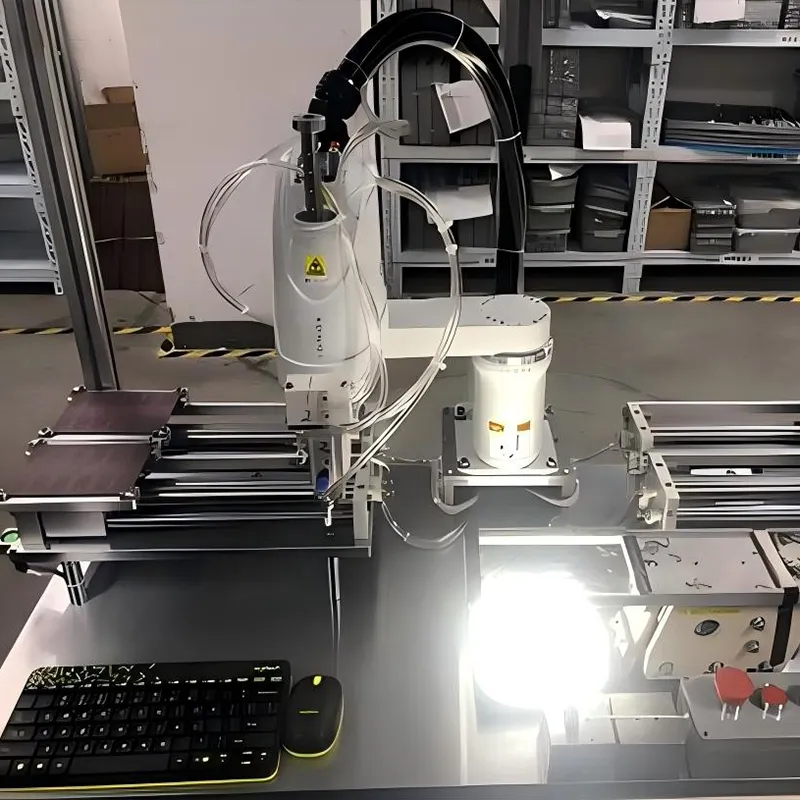
How Robotic Arm Slab Visual Positioning Systems Transform Stone Fabrication
Accurate Slab Recognition and Alignment
One of the most common challenges stone fabricators face is ensuring that each slab is cut and polished with absolute precision. Variations in slab thickness, natural patterns, and irregular edges often cause manual positioning errors, leading to material loss and rework. It use high-resolution cameras and AI-powered recognition algorithms to map each slab’s surface accurately. This allows robotic arms to position slabs precisely, even when dealing with uneven edges or complex natural patterns.
| Feature | Manual Handling | Robotic Arm Slab Visual Positioning Systems |
|---|---|---|
| Accuracy | ±5 mm | ±0.2 mm |
| Handling Speed | 10–15 slabs/hour | 50–60 slabs/hour |
| Material Waste | Moderate to High | Minimal |
| Operator Fatigue | High | Low |
| Pattern Alignment Consistency | Variable | Highly Consistent |
Reducing Material Waste and Operational Costs
Material loss is a significant concern for stone fabricators. A misaligned slab or inaccurate cut can waste expensive stone, sometimes amounting to thousands of dollars per month in larger operations. By integrating Robotic Arm Slab Visual Positioning Systems, fabricators can achieve near-perfect cuts every time, significantly reducing waste. The system also helps identify imperfections early, preventing unnecessary processing of flawed slabs.
Enhancing Workplace Safety and Efficiency
Manual slab handling often involves heavy lifting and repetitive movements, increasing the risk of workplace injuries. Robotic arms not only eliminate this strain but also improve workflow efficiency by performing repetitive tasks without fatigue. With advanced visual positioning, the system anticipates slab irregularities and adjusts movements in real-time, minimizing the chances of accidents or equipment collisions.
Versatility Across Stone Types
Whether working with granite, marble, or engineered stone, it can adapt to different materials with ease. The integrated vision system adjusts for surface variations and pattern recognition, allowing for consistent quality across various stone types.
Real-World Industry Insights
Stone fabricators globally have reported measurable improvements after adopting robotic arm visual positioning systems. Companies note faster project turnaround, lower scrap rates, and more consistent aesthetic results. Moreover, the ability to automate complex alignment tasks allows skilled operators to focus on higher-value activities, like design customization or finishing touches.
| Benefit | Observed Impact |
|---|---|
| Cut Precision | Up to 25x improvement |
| Waste Reduction | 15–30% decrease |
| Operational Efficiency | 3–4x faster processing |
| Safety Incidents | Reduced by 70% |
| Employee Fatigue | Significantly lowered |
Why the Shift is Happening
The adoption of Robotic Arm Slab Visual Positioning Systems is driven by multiple factors:
- Rising labor costs make automation financially attractive.
- Increasing demand for high-quality, flawless stone surfaces requires precise handling.
- Fabricators aim to maximize material utilization and reduce operational inefficiencies.
In essence, stone fabricators are moving toward technology solutions that balance precision, productivity, and safety—three pillars that robotic arm visual systems deliver effectively.
Future Outlook
As technology continues to evolve, it is expected to integrate further AI-driven analytics, predictive maintenance, and even more intuitive interfaces. This evolution will likely make them an indispensable part of modern stone fabrication operations, helping companies stay competitive while meeting rising quality expectations.
Conclusion
The shift toward Robotic Arm Slab Visual Positioning Systems with LANCE INDUSTRIAL is not merely a technological upgrade; it represents a strategic approach to modernizing stone fabrication workflows. By improving precision, reducing material waste, and enhancing safety, these systems provide measurable benefits that resonate across the industry. Fabricators embracing this change position themselves to achieve higher efficiency, consistent quality, and long-term operational resilience.
Related News
- How Does the One Click Flash Tester Transform High-Precision Dimensional Measurement?
- Why Are Automatic Visual Counting and Packaging Machines Essential for Modern Manufacturing Lines?
- Why Are More Manufacturers Replacing Manual Inspection with Automatic Visual Inspection Machine?
- How to Choose Between Eddy Current and Vision Inspection for Your Metal Hardware Production Line
- How Does a One Click Flash Tester Improve Flash Point Testing Accuracy and Efficiency?
- How Can Metal Hardware Inspection Line Improve Quality Control?
Leave me a message